


Looking for naturally black foods to add more variety to your meals? This list includes 85 black foods, including fruits and vegetables, grains, legumes, and my favorite, pantry staples. (There are many more than just the ones you can see in the grocery store.) It also includes simple ways to use them in everyday cooking. Foods that are black are rich in plant compounds like anthocyanins and are often high in fiber, flavorful, and contain vitamins and minerals that your body needs.
This post may contain affiliate links. Please see our disclaimer for details.

Table of Contents
This black foods list is part of my eat the rainbow series.
Besides, who needs normal-colored produce when you can get the same carrots or tomatoes but in a different color? This list is about to show you how your favorite fruits and vegetables can have different health benefits just based on their color, and take your breath away with their beauty. Skeptical? Let’s find out just how powerful and gorgeous these dark foods are.
What gives these foods their dark color?
If you see black fruit or black vegetables, the reason for this is two flavonoids called anthocyanin and anthoxanthin. Any vegetable, fruit, or grain that has either a black outer skin or inner flesh is overflowing with both of these flavonoids. Since flavonoids are high in antioxidants, this means whatever black food you eat is sure to have health benefits.
Health Benefits Of These Dark-Colored Foods
With black foods being rich in anthocyanin and anthoxanthin, the health benefits are amazing! While leafy greens are wonderful and have health benefits of their own, black-pigmented foods are in a class all their own. Black-colored food is rich in antioxidants, high in protein, and has many other benefits as well.
Anthocyanins have been shown to help boost your immune system, maintain a healthy digestive tract, help to fight off diseases, are anti-inflammatory, and help to lower cholesterol. They may even help aid your body in fighting off the risk of cancer. Overall, anthocyanins are powerful! So, maybe it’s time to give those greens a break and introduce some black fruits and vegetables into your diet.
How To Use These Bold Foods
Adding more black foods to your meals doesn’t have to be complicated. Many of these ingredients are versatile and affordable, too. Here’s some way to use them in everyday recipes:
- Black beans and beluga lentils can be used in vegan tacos, burritos, or to add protein to your salad.
- Use black rice or Forbidden rice in a cozy grain bowl.
- Blend blackberries into your favorite smoothie or overnight oats.
- Sprinkle black sesame seeds over your grain bowl, oatmeal, or even roasted veggies.
The Complete List of Black Foods (85 Examples)
There are at least 85 different foods that are black either on the inside or the outside. Some of them are going to be ones that you may recognize, and others you may be finding out about for the first time. Ready to go on a foodie adventure? Let’s go!
You might be interested in 100 foods that are purple, 80 blue foods list, 75 pink foods, or 100 yellow foods list to brighten your plate.
What veggies are black?
These seven black vegetables are nutritious and a sight to behold. See if you can find one of these seven veggies on your next grocery store run and give one of them a try.
- Black Nebula Carrot
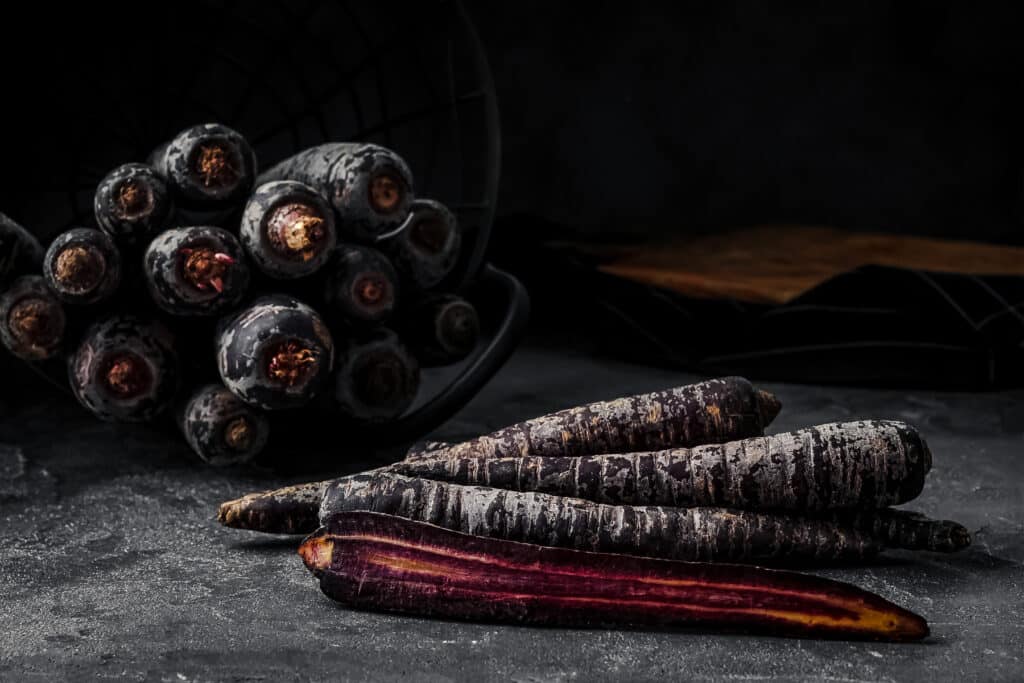
These gorgeous carrots are a work of art! These dark, mystical onyx carrots are a deep purple/black color inside and out. Black nebula carrots are rich in antioxidants and packed with flavor! A root vegetable with a hint of wild berry? Yes, please! Eat these astounding carrots raw or cooked. You could make this lentil carrot soup with these black carrots.
- Black Seaweed
Move over green seaweed — let black seaweed have the spotlight for a moment. Black seaweed, or hijiki, is rich in dietary fiber, iodine, magnesium, and iron —you don’t want to miss out on this powerful food! This deep black seaweed is perfect for a topping on salads or even on your next sushi roll. - Duplex Russian Giant Scorzonera
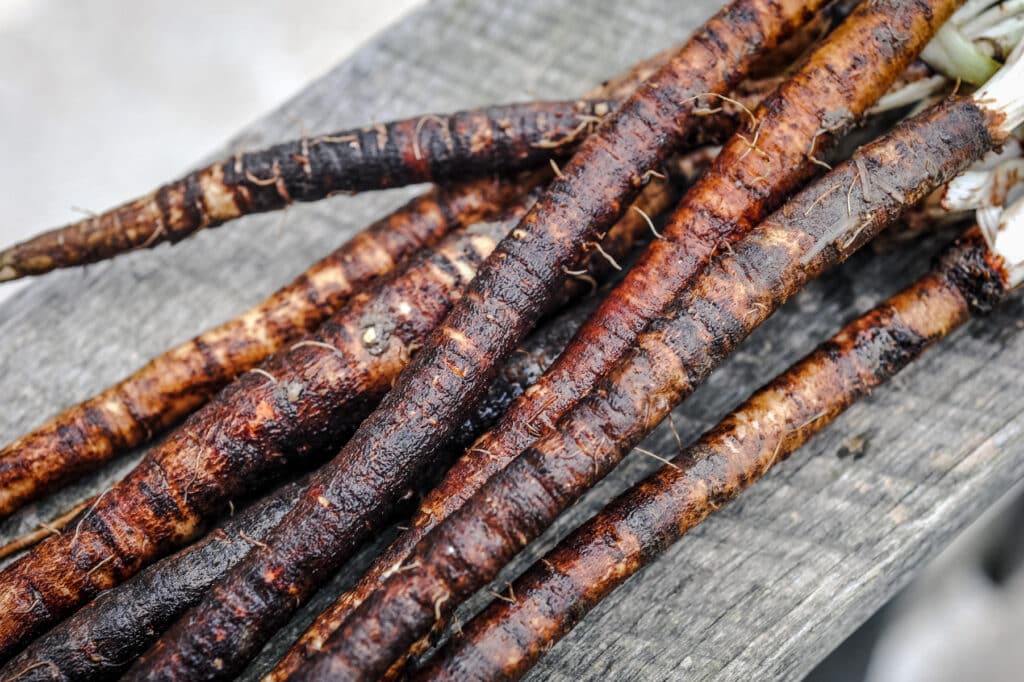
Don’t worry; it’s not actually giant. These extra-long roots are full of flavors with a deep black color. These vegetables are unique and have a flavor profile that somewhat resembles artichokes. These roots are wonderful cooked up with other vegetables to be eaten sautéed or baked.
- Nero Di Toscana Cabbage
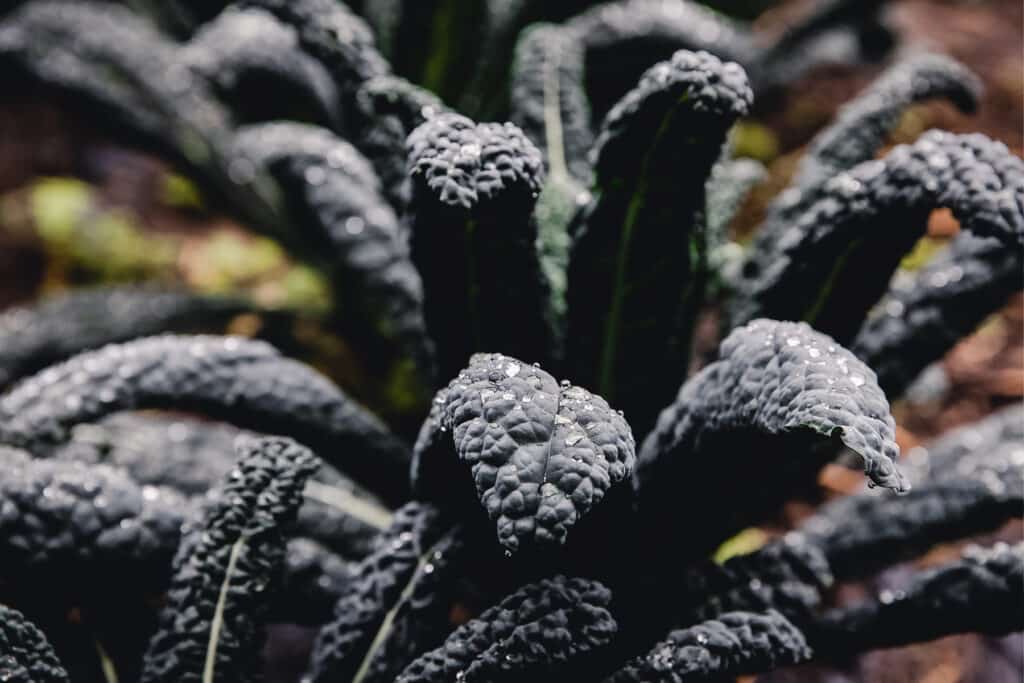
This vegetable is a loose-leaf cabbage that is better known as lacinato kale. These deep green-blue-black leaves that originated in Italy are perfect for stews, soups, and salads. Nero di Toscana cabbage leaves are exploding with nutrition as they have up to three times the recommended daily doses of vitamin A, vitamin C, fiber, and lots of minerals as well. This superfood is something you want to add to your grocery cart!
- Purple Lady Bok Choy
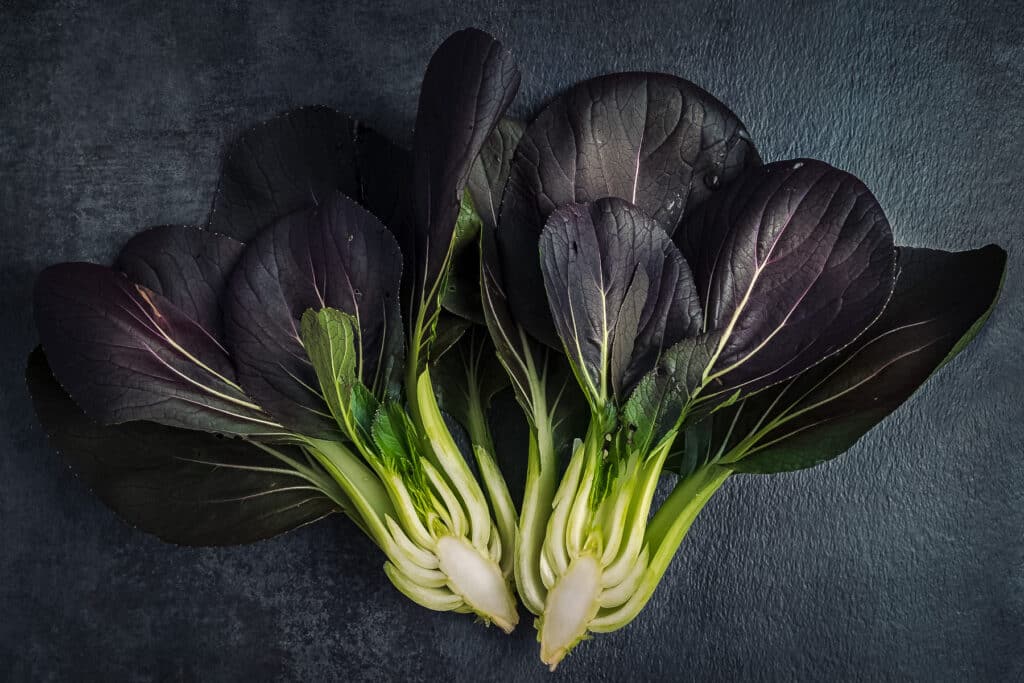
These leaves are so vibrant that you might feel guilty for cutting into them. This captivating bok choy is overwhelming with flavor and is the perfect swap for any recipe you use normal bok choy in. These plum-colored leaves are rich in antioxidants and are the perfect addition to any stir-fry recipe. Add this purple bok choy to some homemade vegan pho for a beautiful contrast.
- Pusa Asita Black Carrot
These glorious deep purple carrots are stunning to look at and rich in flavor!! Pusa Asita Black Carrots are rumored to be the world’s richest plant-based source of anthocyanin. These India-based carrots are sweeter than normal carrots and are so delicious that you may never eat orange carrots again.
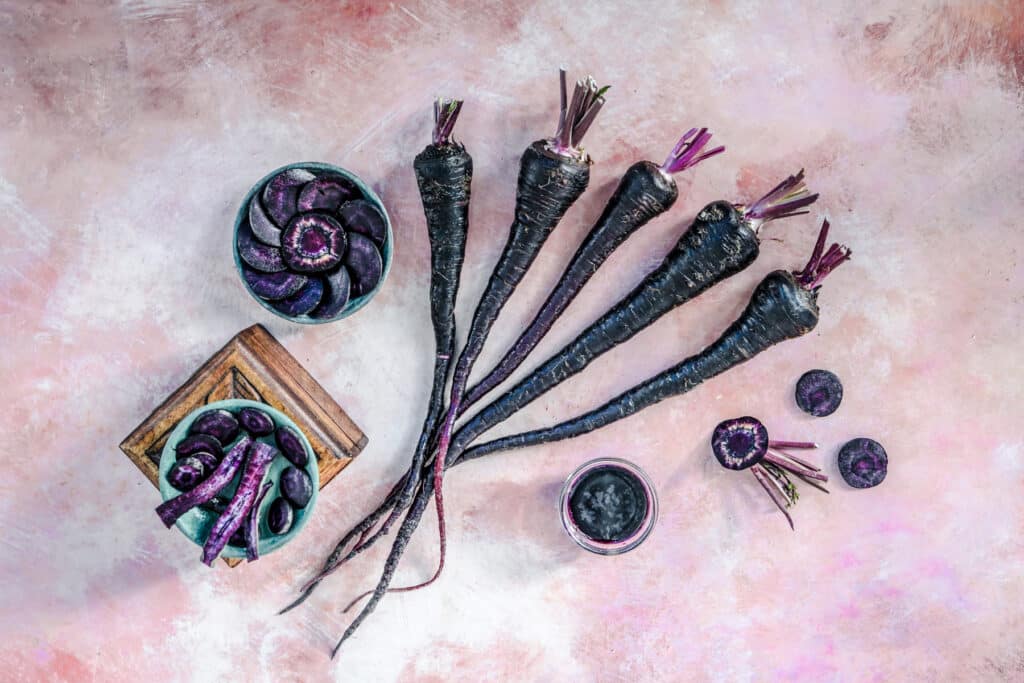
- Round Black Spanish Radish
These onyx-colored radishes look like something out of a fairytale. These radishes are matte black on the outside and white as snow when you cut into them. Eating these radishes is good for aiding digestion, helping to reduce cholesterol, and aids in boosting antioxidants.
What fruit is black?
When it comes to black foods, there are a ton of veggies! Here is a plentiful list of black fruits that is bound to make you curious.
Interested in reading about pink foods? Check out this blog post about pink foods!
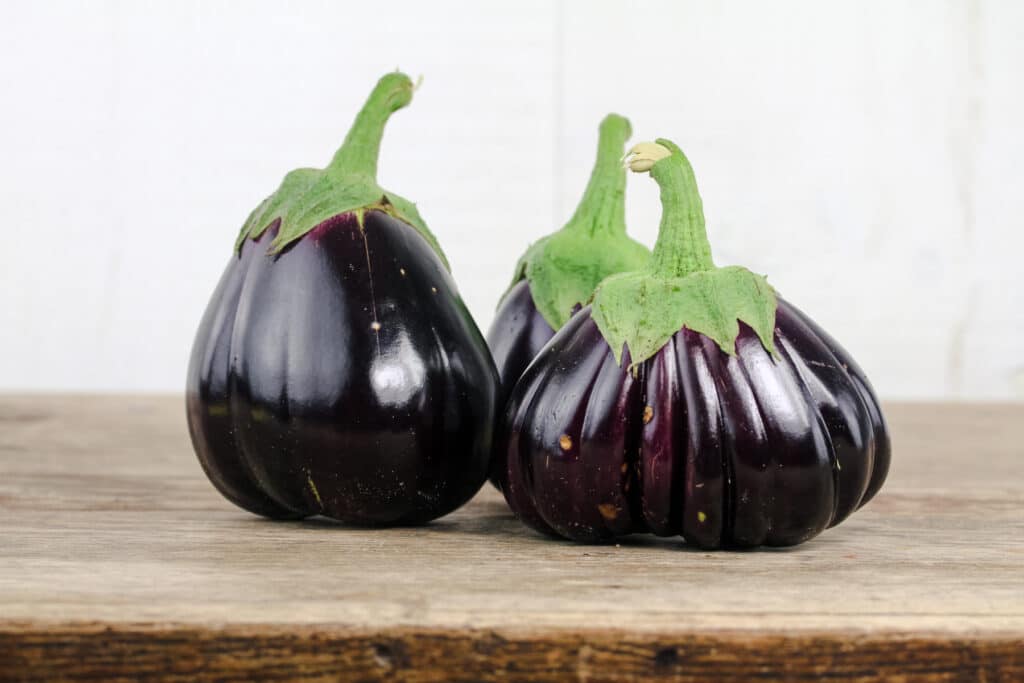
- Black Beauty Eggplant
This deep purple eggplant is absolutely a black beauty. A darker flesh than a regular eggplant, but with all the same capabilities. This eggplant is a good source of potassium, copper, magnesium, and niacin. Use this eggplant in a ratatouille, baba ghanoush, eggplant parmesan, or grilled on the BBQ. There are so many ways to eat this delicious fruit, and all of them are mouthwatering.
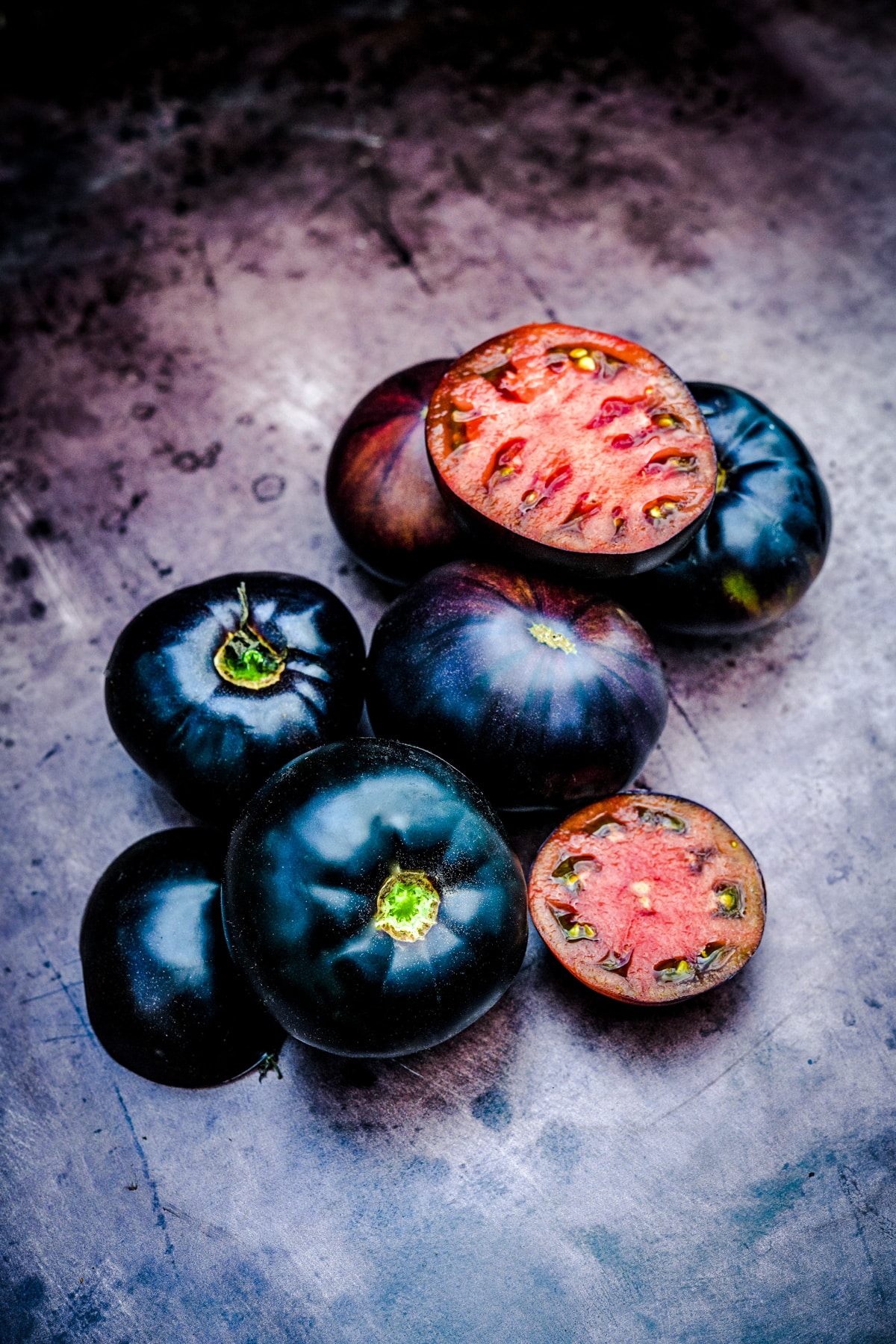
- Black Beauty Tomato
The dark black flesh on the outside hides the rich ruby-red flesh on the inside of these delicious tomatoes. These mysterious-colored tomatoes are delightful to add to any recipe that you use tomatoes in or enjoy on their own. Black beauty tomatoes are screaming to be made the centerpiece of a homemade bruschetta or a classic tomato spinach salad to show off all their splendor.
- Black Beauty Zucchini
While these black beauty zucchini may look like other zucchini, these heirloom zucchini have dark purple/green pigment. When fully ripe, they are almost black. Black beauty zucchini is full of carotenoids and helps to benefit your eyes, skin, and heart. Aside from health benefits, these zucchini are delightful grilled, sautéed, or even roasted. This deep-colored zucchini would be tasty in these vegan mini lasagnas. - Black Cherry Tomato
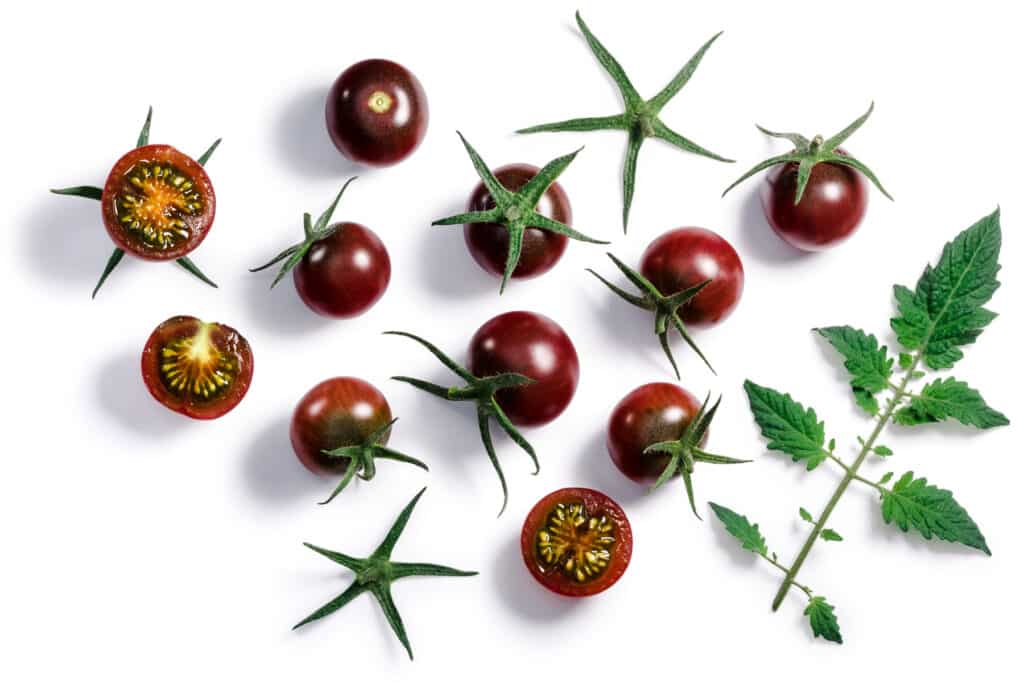
These dark black cherry tomatoes are the perfect juicy fruit to munch on. These tomatoes are rich in vitamin A and vitamin C and full of fiber! With all of their health benefits and how glamorous they look, they are perfect to add to your next salad or to use for pasta sauce. These little beauties would be perfect on top of this loaded hummus recipe.
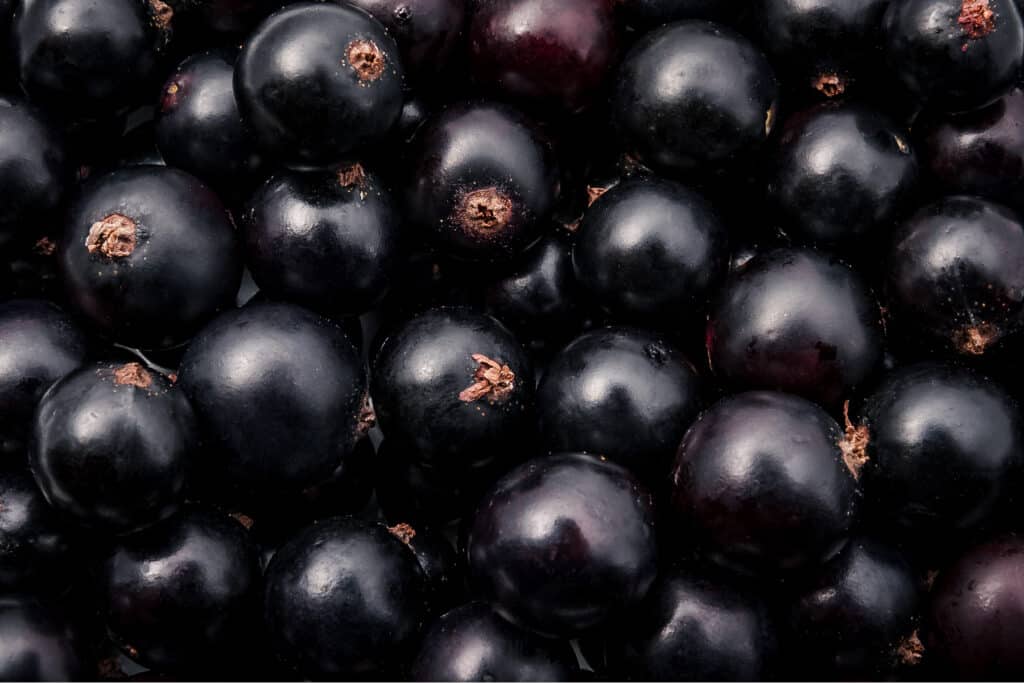
- Blackcurrant
Blackcurrants are tasty berries that are high in antioxidants and vitamin C, which makes these berries the perfect way to boost your immune system. Blackcurrants taste like a mix of grapes with a hint of cherry, but their flavor is all their own. Blackcurrants are wonderful to eat by themselves, use in pastries, or turn into a jam, such as this strawberry chia seed jam.
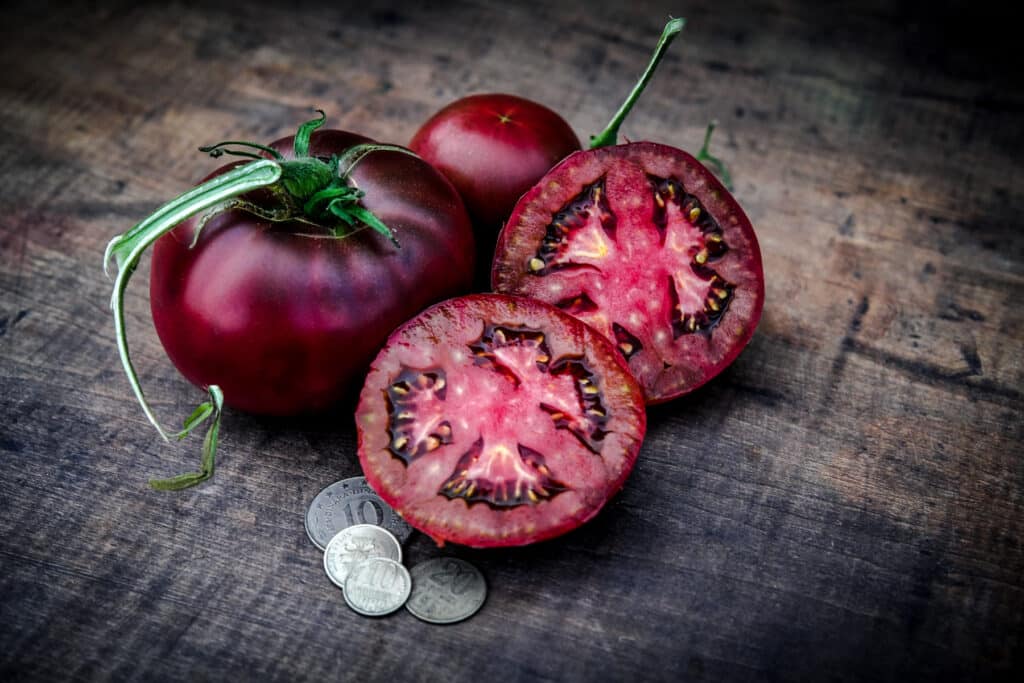
- Black From Tula Tomato
Yet another gorgeous tomorrow! These dark plum-colored tomatoes have a flavor profile that is complex, smoky, and full of flavor. This Ukrainian family heirloom tomato is perfect to add to your next sandwich or salad and is a good source of vitamin C and vitamin K. These would taste amazing as the base for this roasted tomato red pepper soup!
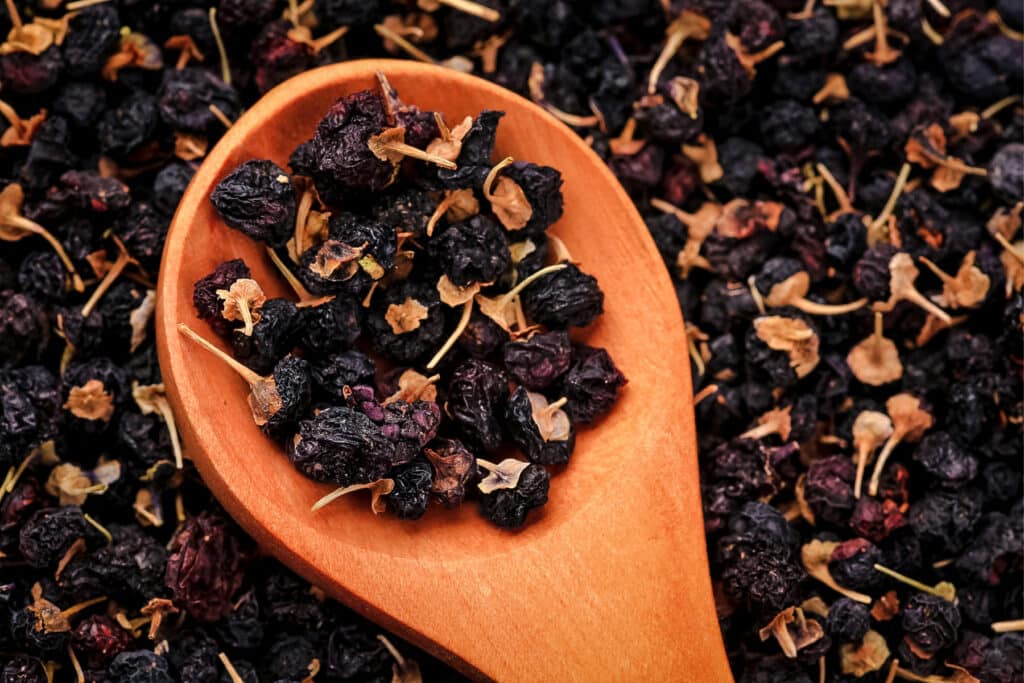
- Black Goji Berry
These berries are a superfood you don’t want to leave out of your diet. Founded in Central Asia, the black goji berry is a powerful food that has medical qualities. The black goji berry is ridiculously high in antioxidants, has been shown to help boost your immune system, and can help to improve your sleep. Use these berries in pastries and jams, eat them fresh, or use dried berries for a hot cup of tea.
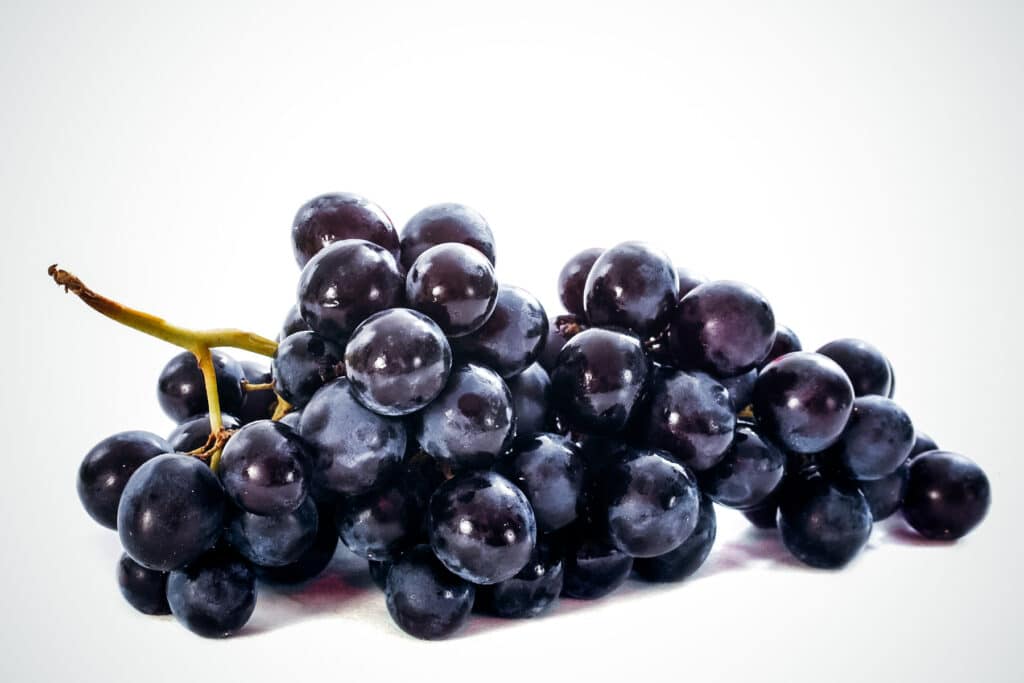
- Black Grapes
If you’re looking for your next favorite snack, then these black grapes are sweet, juicy, and ready to munch on. These blue-blackish bunches of grapes are higher in antioxidants than green or red grapes and can help to protect you from diseases such as diabetes and heart disease. One of the antioxidants these grapes are high in is resveratrol, which has been shown to help improve heart health. So snack away because this fruit is not only heart-healthy but delicious!
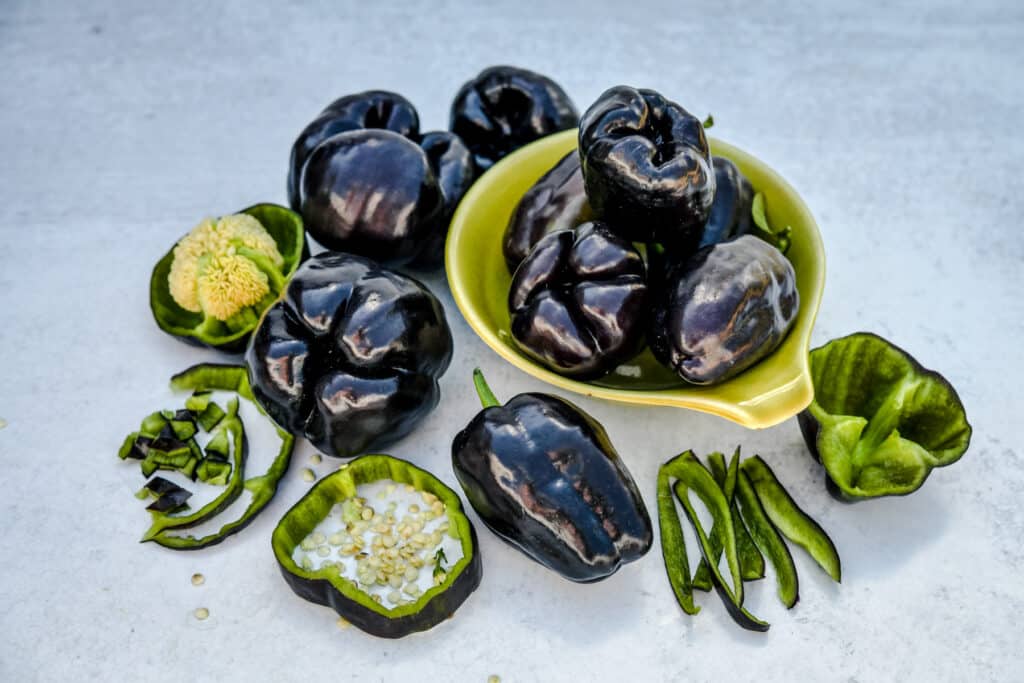
- Black Hungarian Black Pepper
These eye-catching black peppers are stunning and ready to add some heat to your next dish. These dark onyx peppers are in the shape of a jalapeño with a slightly different flavor profile. These peppers have a mild kick to them and can be used in salsa, salads, or to spice up your vegetables with a little kick. - Black Mission Fig
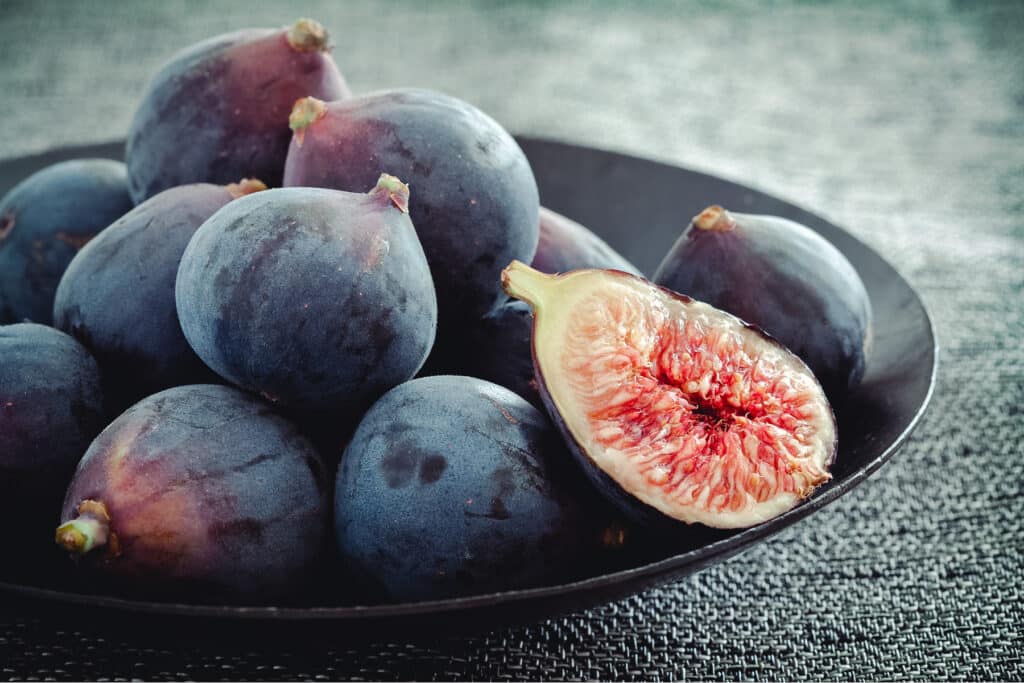
Black mission figs are popular for a reason! The dark purple/black flesh hides a delicious strawberry pink middle that is absolutely delicious. Figs taste like a mixture of strawberry, banana, and melon, while tasting specifically like a fig. Not only are they delicious, but they also provide a high amount of fiber and are a good source of magnesium, potassium, and vitamins K and C.
- Black Olive
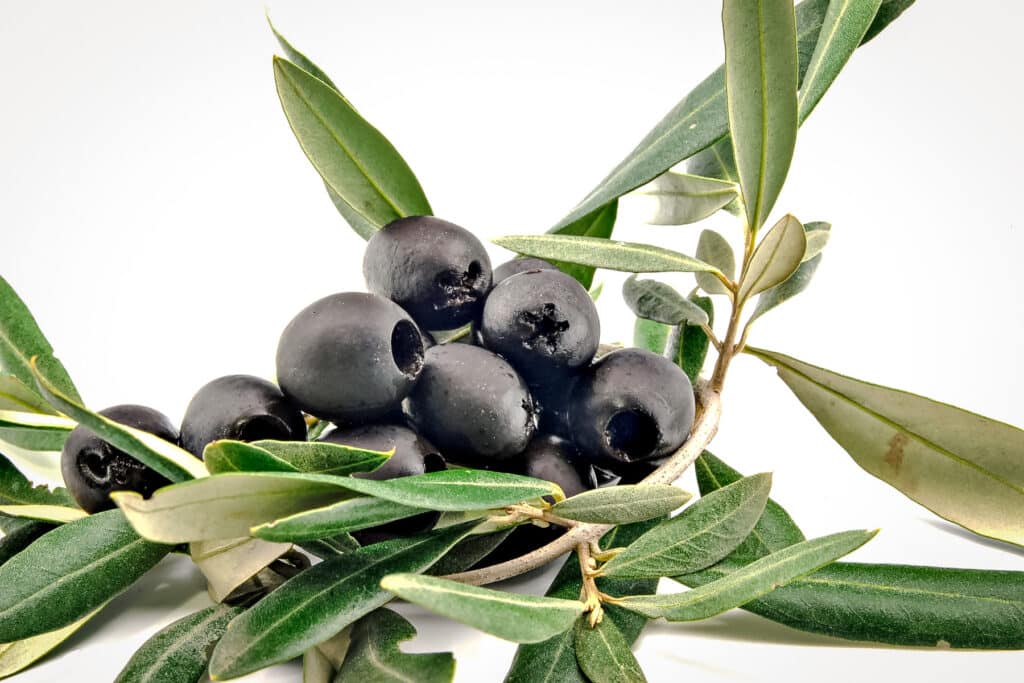
Black olives are no mystery to anyone, as you can find them in almost any grocery store, but these Mediterranean-based morsels are packed with health benefits. Black olives are a great source of vitamin E, which helps to fight off free radicals. Black olives have skin and hair benefits, are high in iron, and are wonderful for digestion. Not to mention, olives are absolutely delicious to eat!
- Black Raspberry
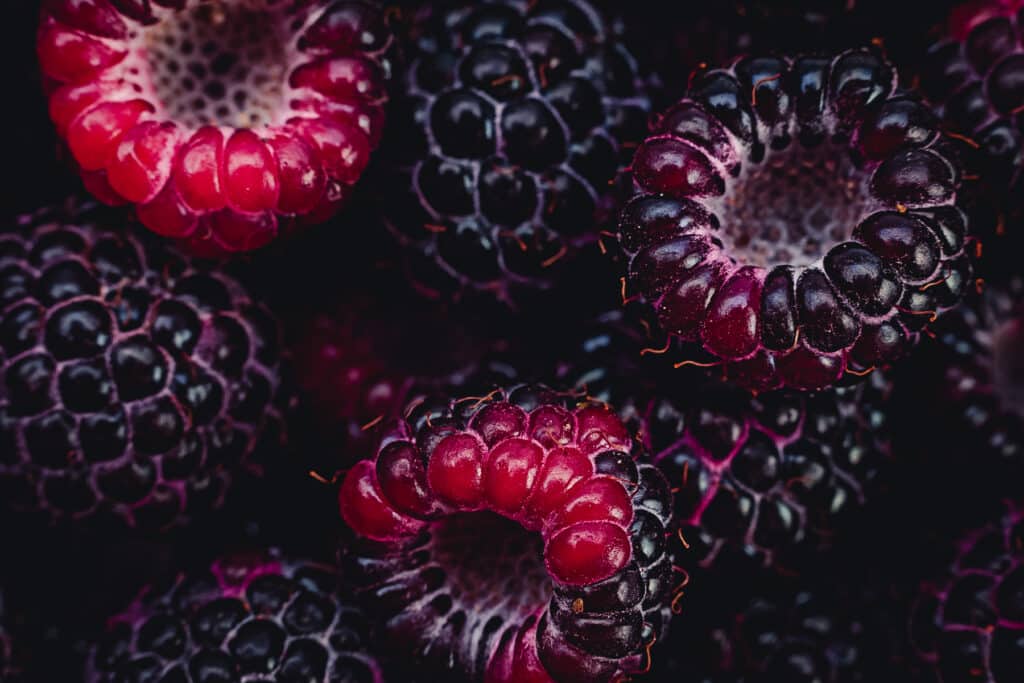
Black Raspberries are native to North America and resemble blackberries in appearance but are not blackberries. Black raspberries are hollow in the middle, and they aren’t as glossy as a blackberry, even though they both have the same deep purple coloring. These delightful berries are rich in vitamin C and have been said to be the “king of berries” for all the different health benefits that they carry.
Use these raspberries the next time you make this easy raspberry sorbet, raspberry chia seed jam, blueberry raspberry smoothie, or homemade raspberry scones.
- Black Sapote
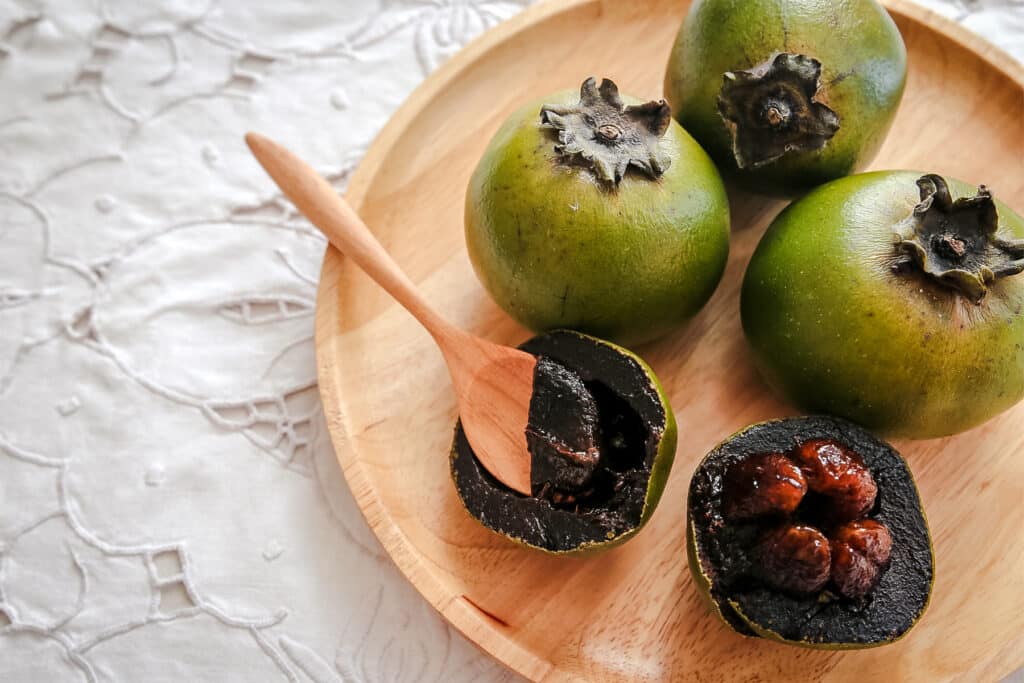
Black sapote is a type of persimmon that is native to Mexico and is one fruit you absolutely must try. This soft, complex fruit tastes like a mixture of chocolate, caramel, and persimmon, which ultimately makes it like a dessert. So while this fruit may look like a tomato, the flavor is FAR from it.
- Black Strawberry Tomato
These tomatoes are so stunning to look at that you may not even want to bite into them. But you should because they are incredibly tasty. A rainbow tie-dye of deep purple, orange, green, and flecks of black covers the outside skin of this tomato while being red and juicy on the inside. The fruity-flavored tomato resembles plum and grape flavors that are begging to be eaten in a Caprese salad (and not just in the culinary world). I love using diced small tomatoes in my homemade guacamole and avocado pico de gallo. - Blacktail Mountain Watermelon
Never has there been a more unique watermelon. This black and deep green outer shell opens up to a bright pink fleshy middle that is typical of a watermelon. While the outside leaves your mind spinning at the uniqueness. This refreshing fruit is a lovely way to get your summer started. Have you ever made watermelon popsicles? Or you could use this mountain watermelon in this simple melon salad recipe. - Chichiquelite Huckleberry
These small berries are bursting with flavor and are absolutely darling to look at. These dark black colored berries turn gloriously purple when smashed and are brilliant for making jams, jellies, pies, or any pastry that you like. While delicious, Chichiquelite huckleberry has also been shown to help protect your heart against disease and assist your body in having lower cholesterol. - Chocolate Pear Tomato
While these tomatoes aren’t necessarily black in color, the reference is more toward the rich taste that is similar to chocolate. These decadent tomatoes have a bright red and yellow coloring and taste (almost) as sweet as chocolate. Eat these by the handful to satisfy your sweet tooth craving AND supply your body with rich nutrients. Use these to make this tomato cucumber salad or on this vegan pesto pizza. - Dwarf Everbearing Mulberry
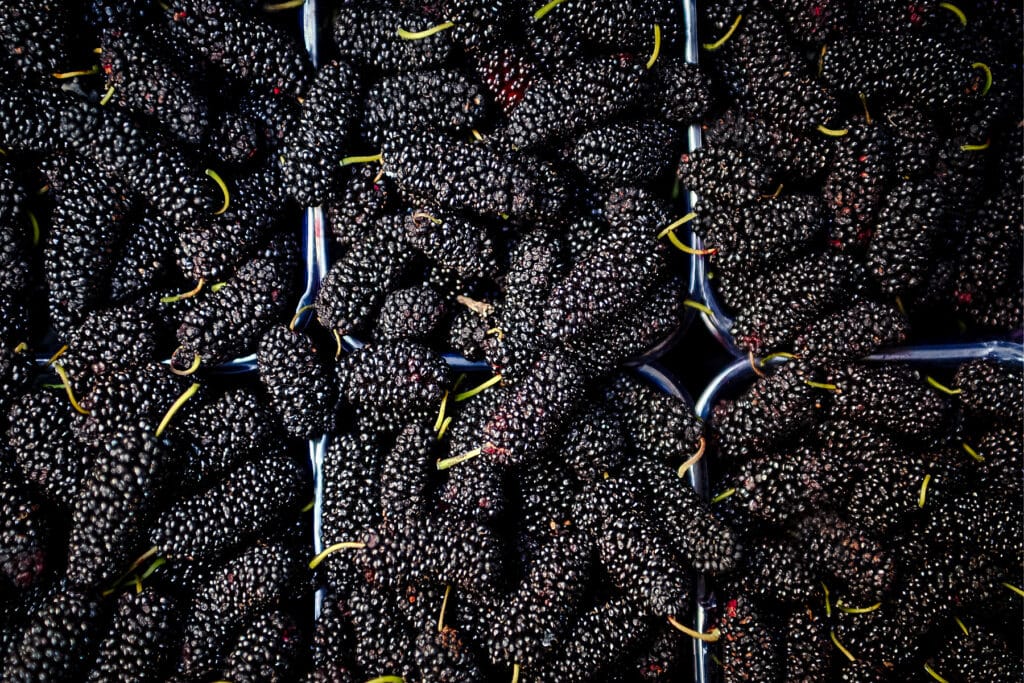
Dwarf Mulberries are so sweet that you could eat them for dessert every night of the week! These onyx-colored berries have been known to help boost your immune system and have been said to help improve your eyesight. A fruit that tastes like dessert and is good for you, too? Sign us up! These would be amazing added to this easy acai bowl.
- Garden Huckleberry
Garden Huckleberry is also known as European black nightshade and has a sweet, musky flavor. These dark black berries have been used to help with stomach issues, such as cramps, or even to calm down nerves. Garden huckleberries are the most flavorful when cooked — so pull out the pie crust and get to baking! Have you ever made huckleberry pie? You can use fresh huckleberries in lieu of blueberries in this vegan blueberry pie recipe. - Indigo Blue Cherry Tomato
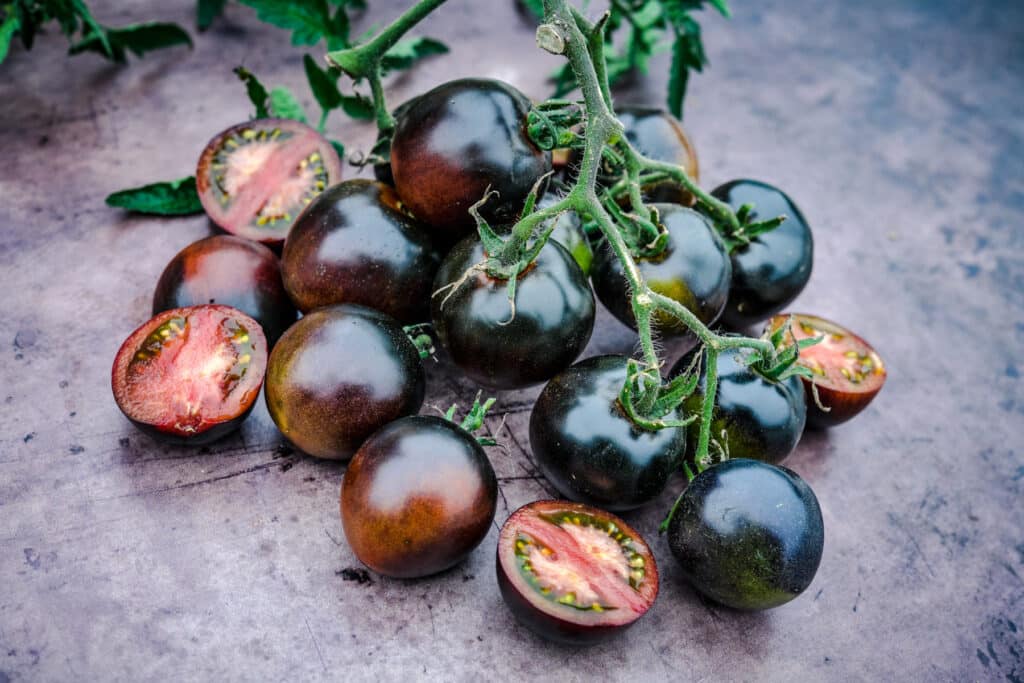
The tomato family strikes again with another breathtaking fruit. These cherry tomatoes can sometimes be all black or just black on top with a red underbelly. Bite into them, and they reveal a bright cherry red inside that tastes as good as it looks. These tomatoes contain high levels of anthocyanins and antioxidants. They are also a good source of calcium.
- Japanese Trifele Black Tomato
If you saw these tomatoes at the store, you might think that there’s something wrong with them based on their shape. These tomatoes have a dark green/ purple top that finishes with a ruby red underbelly on the outside of them, and they have a complex flavor. These tomatoes, found in Sweden, are perfect to use in your next salad, pasta, or to eat as a snack. - Kakai Squash
This elegant squash looks like a pumpkin that hasn’t fully ripened at first glance. This orange and green striped squash can be cooked the same as you would a pumpkin (don’t forget to roast the seeds!) while providing a flavor unique to Kakai squash. - Little Fingers Eggplant
These may be the most adorable eggplants you’ve ever seen. Dangling from the vine, almost looking like peppers, these darling Asian eggplants are perfect to use in a stir fry or to grill. Just because these eggplants are slender doesn’t mean that they don’t have all of the same nutrients that regular eggplants do. So take a bite and enjoy all the flavor and health benefits. - Mitoyo Eggplant
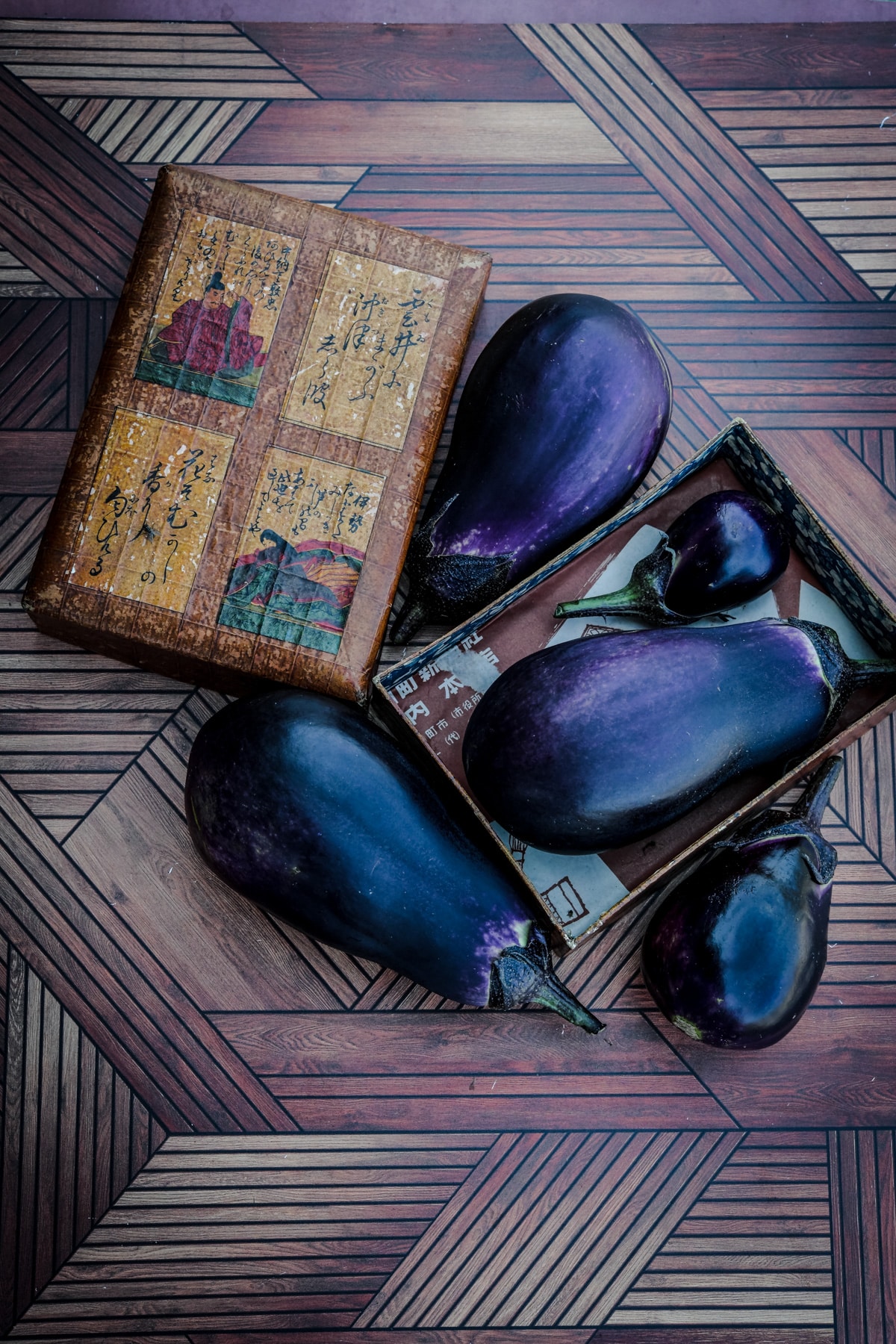
Mitoyo eggplants are native to Japan, where this midnight-colored fruit is eaten quite often. This teardrop-shaped fruit is perfect to eat baked, roasted, raw, or pickled. This is said to be one of the most flavorful eggplants there is, so give it a try and find out for yourself
- Moon & Stars Cherokee Watermelon
With a name like this, you know it has to be stunning to look at. This nebula-covered watermelon is dark black with splashes of yellow watercolor to resemble the stars. It’s practically a work of art. - Murasaki Purple Pepper
Wanting to add some spice to your life without the heat? This pepper is what you need. These deep eggplant-colored peppers look hot but are actually completely harmless. Murasaki purple peppers are elegant and wonderful to brighten up the appearance of any dish.
Do you love making smoothies? Check out this blog post, 30 Best Vegetables For Smoothies.
- Queen Of The Night Tomato
No matter how you pronounce “tomato,” no one can disagree on how eye-catching the queen of the night tomato truly is! These rich burgundy-colored tomatoes seem to have brushstrokes of deep black tracing the outside and a vibrant red on the inside. Queen of the night tomatoes are sweet, full of flavor, and have a rich scent. These queens are begging to be used in place of ordinary tomatoes. You could use these vibrant tomatoes in this hearty vegan lentil soup. - Schwartzenbeeren Blackberries
Try to say this name five times fast. These astounding blackberries come in the most delicate cluster of deep purple and onyx-colored pearls. These German-based berries are perfect to eat alone or baked into your favorite pastry or pie. You can use these to make homemade blackberry banana muffins. - Senshu Kinukawa Mizu Eggplant
Senshu Kinukawa Mizu eggplant is sheer decadence. This eggplant was given the nickname “silk skin” because of its buttery soft flesh and was specifically designed to be eaten raw. You may have never seen yourself biting into a raw, onyx-colored eggplant, but this eggplant is too appetizing not to. - Sweetie Pie Blackberry
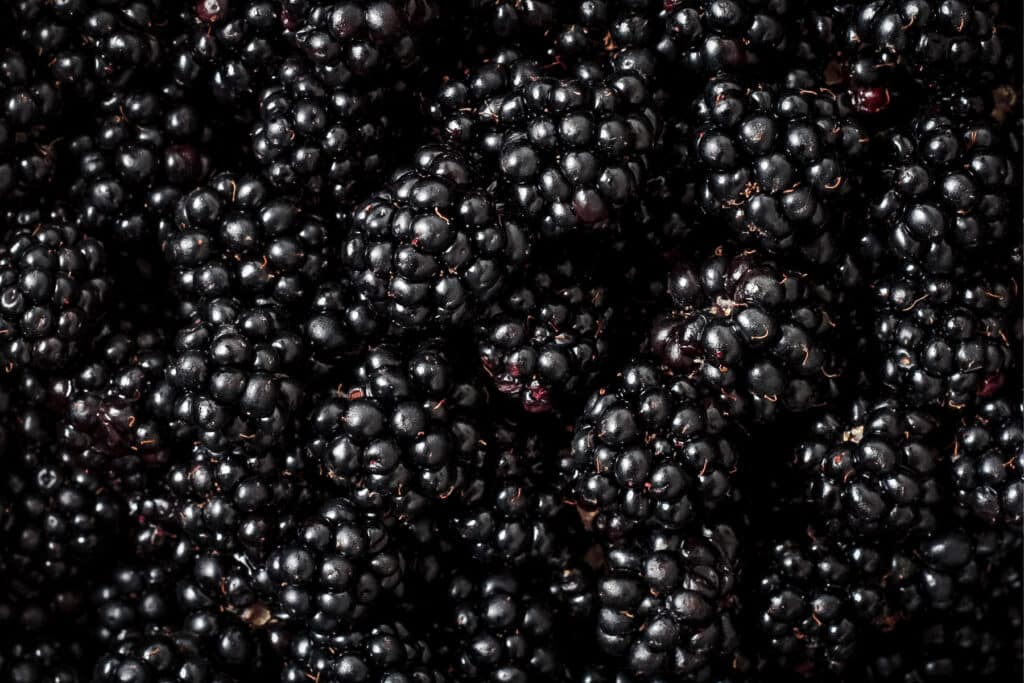
Sweetie pie, this is a blackberry you don’t want to miss out on trying. This ultra-sweet, thornless blackberry has about 10-12% sugar in each morsel! Sweetie pie berries are extremely juicy, full of sweet flavor, and are the perfect fruit for your next jar of jam or preserves. Use these flavorful berries next time you make this easy no yogurt blackberry smoothie.
- True Black Brandywine Tomato
Deep earthy flavor, a muted crimson outer flesh, and countless recipes to use this tomato with. This Quaker-founded tomato is a sight to behold with its dark black crevices hidden inside the tomato’s juicy pockets. This smoky tomato is ideal to use in any savory dish. - Wonderberry
Pitch blackberries hanging in a bundle off the vine. These black pearls truly are a wonder. Not only a wonder to behold, but a wonder at what they can do for your body. These berries are packed with antioxidants and can help to improve your blood sugar. They are high in fiber and have inflammation-fighting properties.
These berries have a very balanced flavor as they aren’t overly sweet, which makes this black nightshade the perfect addition to your next pie or jam. (Be sure to ONLY eat these berries if they are fully ripe. Never eat wonderberries if there is any green on them whatsoever.) - Zulu Sweet Pepper
A bell pepper — but make it black! Zulu sweet peppers are a brilliant midnight color that has the same crispness as a bell pepper but is so much more fun. Add Zulu peppers to your favorite salsa, or fajita mix, or into your next salad recipe for a delightful color splash!
Would you like to save this?
Black Beans and Legumes
When it comes to eating black foods, adding beans and legumes to your diet is an incredible way to get an extra dose of protein without breaking the budget.
Beans and legumes are amazing aids for digestion and are packed with fiber to keep your gut activated. These 13 different black beans and legumes are a wonderful way to add fiber, iron, and potassium into your everyday lifestyle.
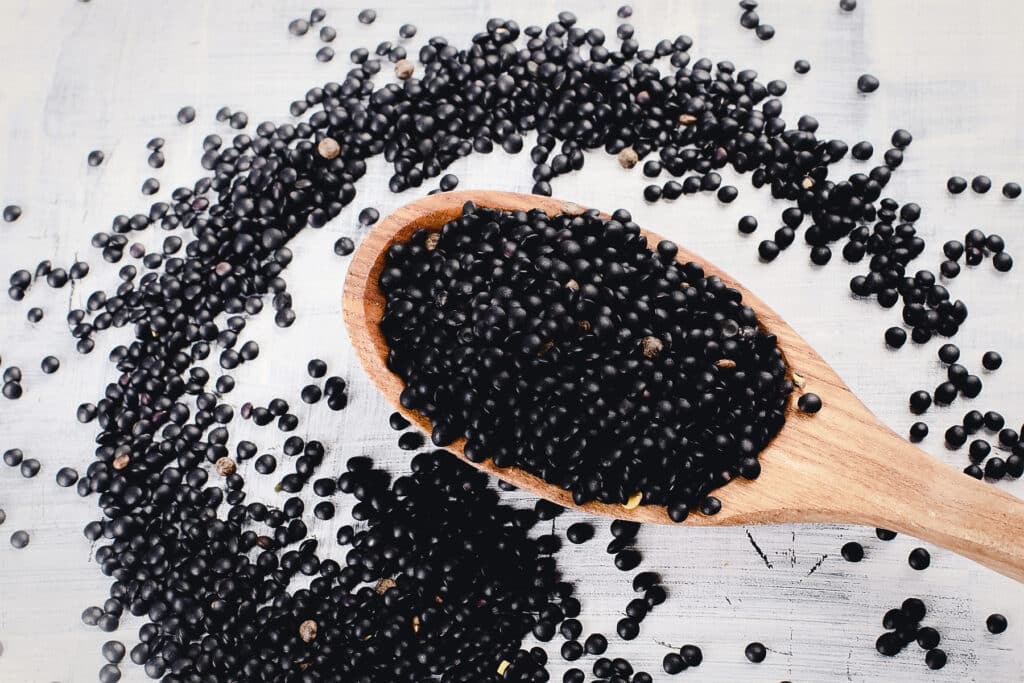
- Black Beluga Lentils
Pitch black, tiny morsels that are packed with protein, inexpensive, easy to find, and easy to cook with. You can not go wrong with black beluga lentils. Black lentils are overflowing with antioxidants, protein, and fiber. If you want an extra dose of protein, add a cup of black lentils to your plate. Just one cup of these caviar-looking morsels has 18g of protein.
If you try these stunning black lentils out, I have a helpful recipe for you! Here is how to cook black lentils with step-by-step videos!
- Black Coat Runner Bean
Beans, but make it technicolor! Black coat runner beans are ridiculously gorgeous and flavorful. From pomegranate pink to lilac purple to onyx black, these beans will add vibrancy and protein to any dish you use them with. - Black Eyed Pea
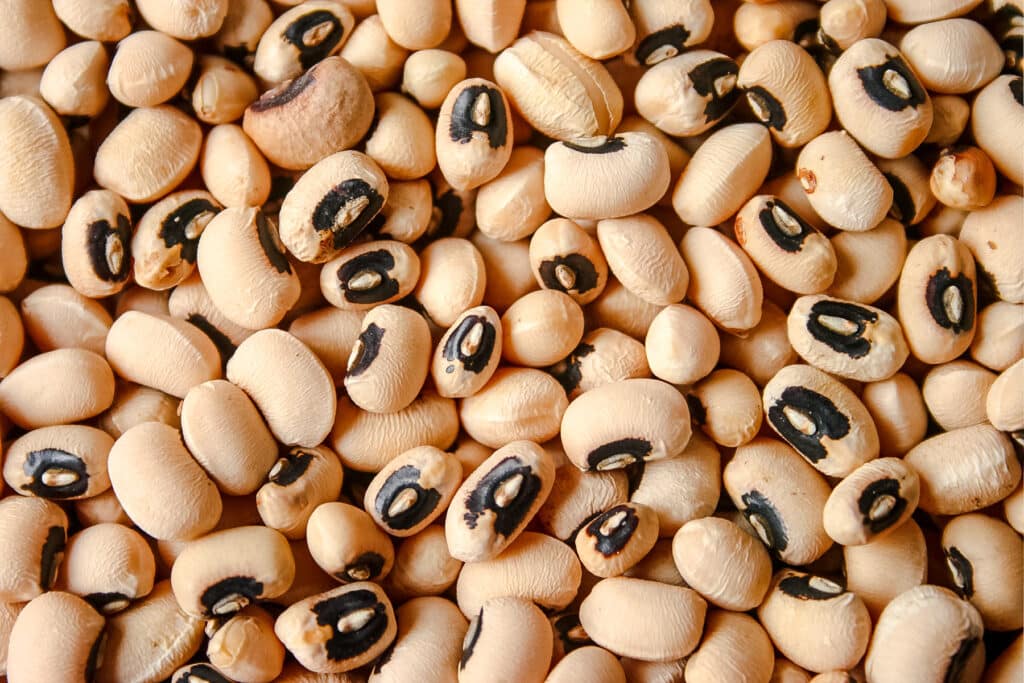
Black-eyed peas are popular for a reason (no, not the musical group — the legume). Black-eyed peas are highly nutritious! Rich in fiber and a great source of protein, these beans are a must-eat.
This Southern comfort food is simple and easy to cook and can be used in stews, salads, or soups. (You can even try using them in some vegan cowboy caviar!)
- Black Knight Runner Bean
Who needs a white knight when you can have some black knight beans? These captivating beans will not only shock you with their magenta and scarlet hue, but they are tasty to eat as well! Open up these onyx pods to reveal delicious morsels to add to your next salad and brighten up those leafy greens. - Black Soybean
Everyone has heard about soybeans, so let’s take that up a notch with BLACK soybeans. These mud-colored legumes are native to China and are used in traditional Chinese medicine to help clear toxins from the body. Black soybeans have also been linked to supporting your heart health, possibly helping to reduce the risks of hormone-related cancers, and promoting bone health. These little guys are definitely something you want to start adding to your plate. Oh, did I forget to mention that the taste is amazing? - Black Turtle Bean
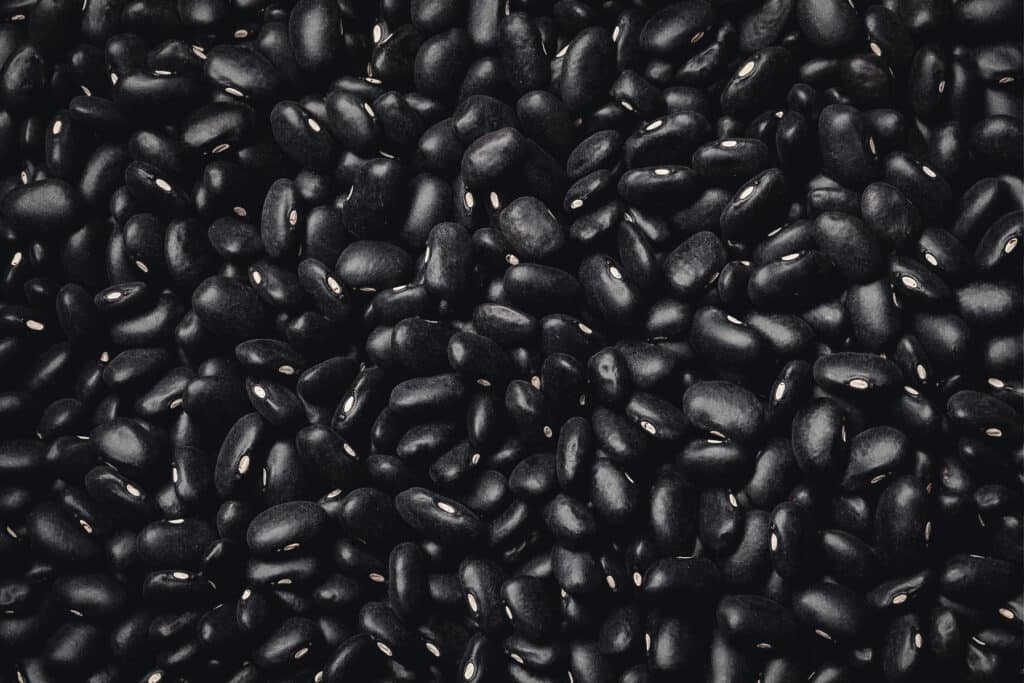
These midnight black beans are popular in Louisiana and Latin America. You can typically find these beans in Creole cuisine because of their versatility and soft, creamy flavor. A powerhouse of a black bean, these beans are rich in fiber, antioxidants, and plant-based protein. Use black turtle beans in your next batch of chili or even a bean and cheese burrito for added protein.
I’ll leave this here for when you need an easy black bean substitute.
- Black Valentine Bean
While these beans may not be good for giving someone as a Valentine, they are wonderful for adding to your next stew or soup. Black Valentine beans have an earthy, nutty flavor to them. They are packed with protein and antioxidants. - Calypso Bean
If a Dalmatian were a bean, this is what they would look like. Calypso beans are perfectly black and white spotted beans and are delightful for use in chili, stews, or soups. Rich in fiber and high amounts of fat (the healthy kind), you can’t go wrong with these lustrous beans.
Do you want to learn about green fruits? Check out this blog post, 112 Fruits That Are Green.
- Cherokee Trail Of Tears Bean
These deep, eggplant purple beans were brought over from Tennessee by the Cherokee people in the infamous “Trail of Tears”. This brutal part of United States history is part of why this bean has its name. To remind us of the heartbreaking past and remind us never to repeat it. - Heirloom Chatino Beans
Everything about these black nuggets screams flavor! Chatino black beans are native to the indigenous community of the Chatino community in Titepec near Oaxaca. These beans are used daily in that region of Mexico for their flavor and nutrients. Chatino beans are a tasty variation of standard black beans and have a fun taste to them. - Kabouli Black Garbanzo Bean
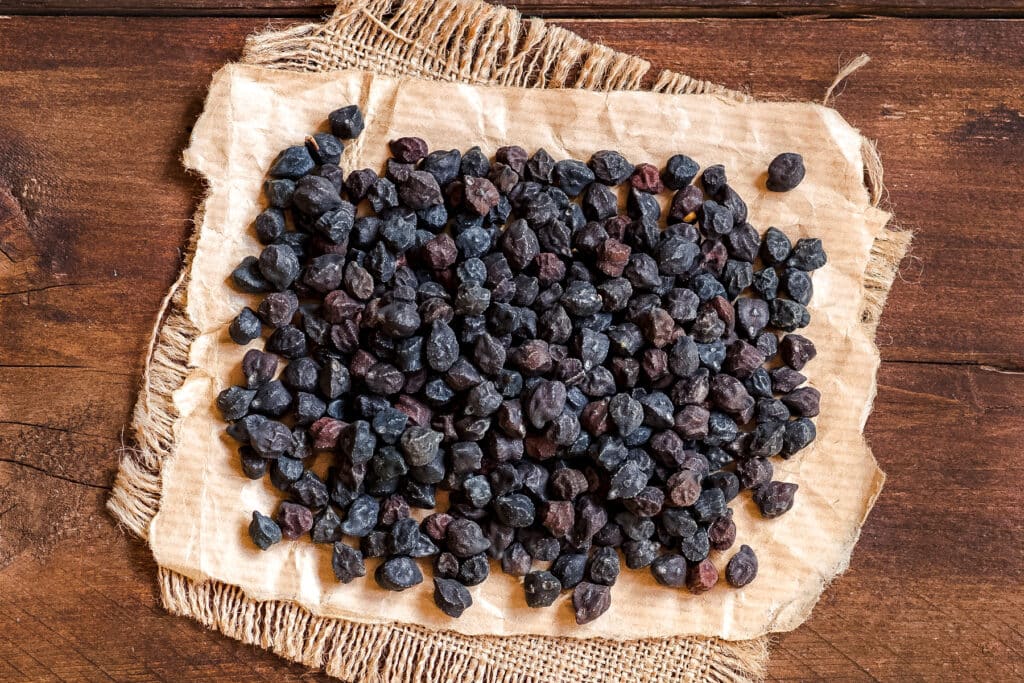
Did you know that garbanzo beans come in black? Well, now you do. These deep-back garbanzo beans have been passed down from generation to generation in the ancient lands of Afghanistan.
These beans are full of sweet, yet earthy, flavor, so they are easy to use in place of regular garbanzo beans. Use these to make hummus, or add them to your next salad for an extra bump of protein. Use black chickpeas instead of traditional ones next time you make homemade hummus with tahini, 10-minute hummus without tahini, or garlic hummus without tahini.
- Schronce’s Black Peanut
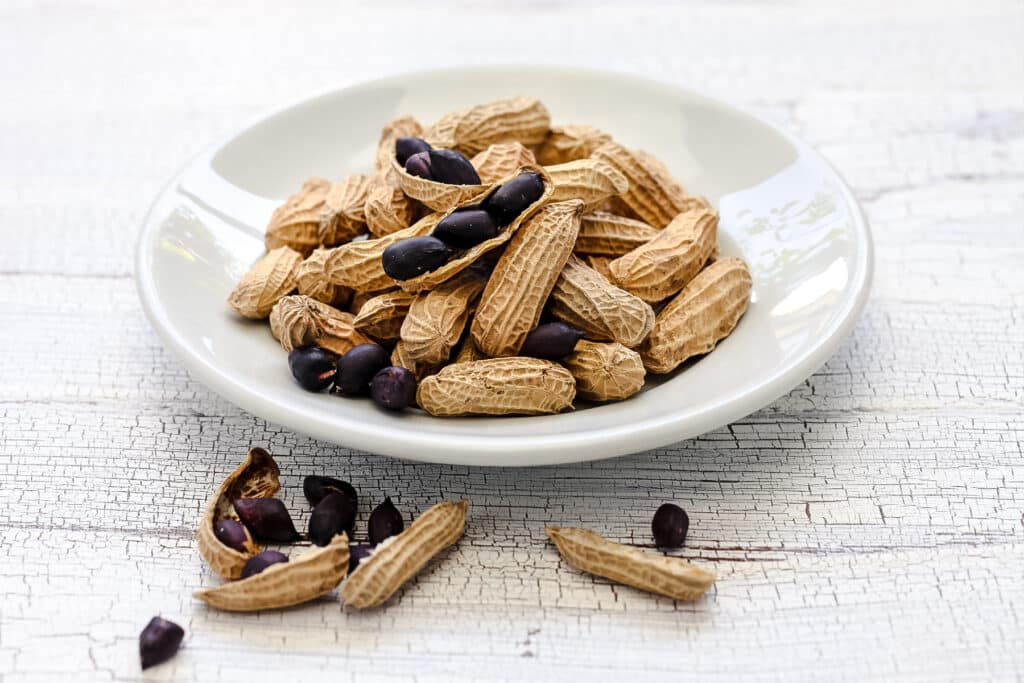
A violet-black peanut? Who would have thought? These eye-catching peanuts would be quite the conversation starter if you put these out at your next party – so why don’t you? Schronce’s Black Peanut has it all. It still has that robust peanut taste that we all know and love, but adds a sense of mystery all at the same time. This isn’t JUST a peanut….it’s a black peanut.
- Tankuro Edamame
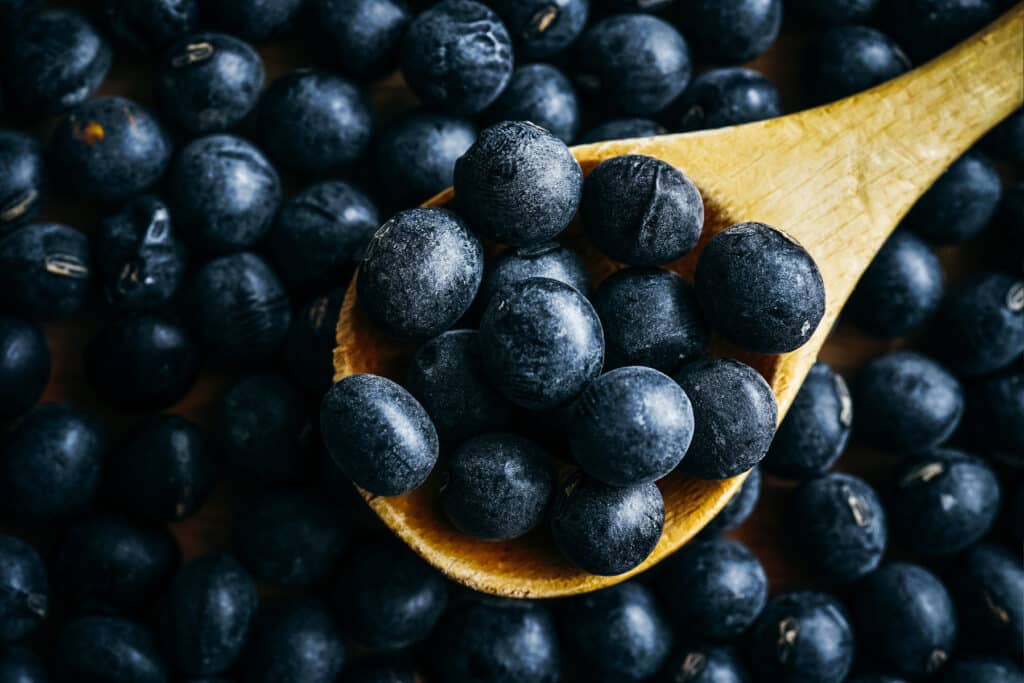
A black soybean from Japan that should be talked about way more — that’s what Tankuro edamame is. These premium soybeans are known for their sweet flavor and are delightful to eat as is, turn into soy milk, or create tofu. Tankuro edamame is edamame – elevated.
Black Grains
Fruits and vegetables are great, but sometimes you need some starches. Well, now you can have your grains and get plenty of health benefits too. These seven black grains are unique, yummy, and ready to be enjoyed.
- Black Aztec Corn
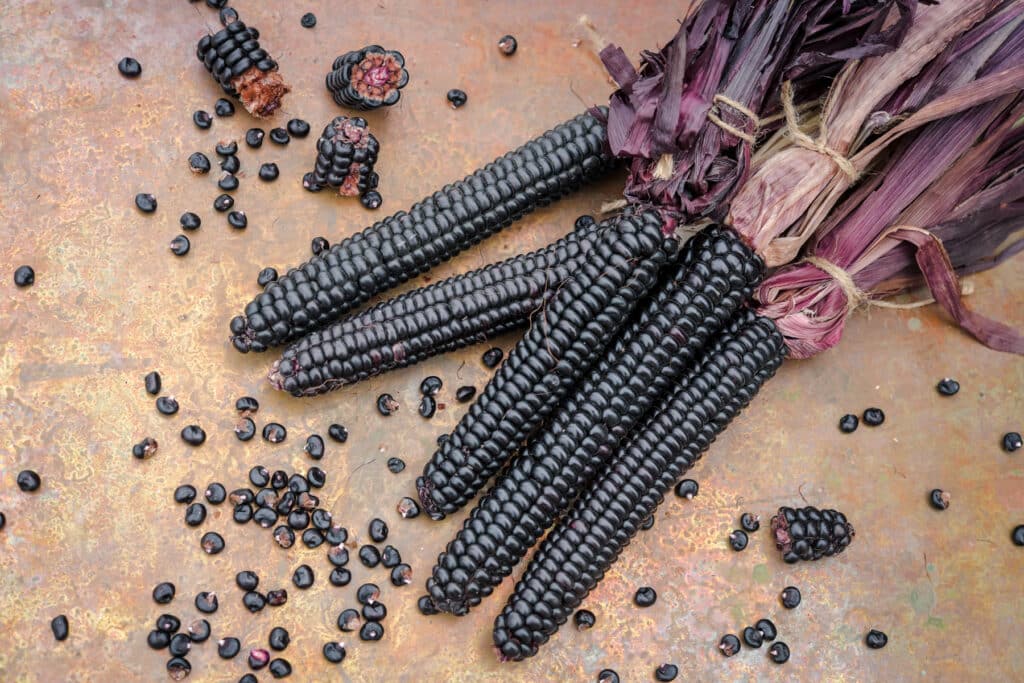
Black Aztec corn is a stunning sight with its deep purple and midnight tones that look like decoration more than dinner. This corn dates all the way back to the Aztecs in South America, almost 2000 years ago. It’s a wonder how it isn’t more popular in this day and age.
The stalks are full of anthocyanins, are anti-inflammatory, and have antioxidant benefits to help fuel your body. Black Aztec corn does all of these things while looking like a piece of art - Black Hulless Barley
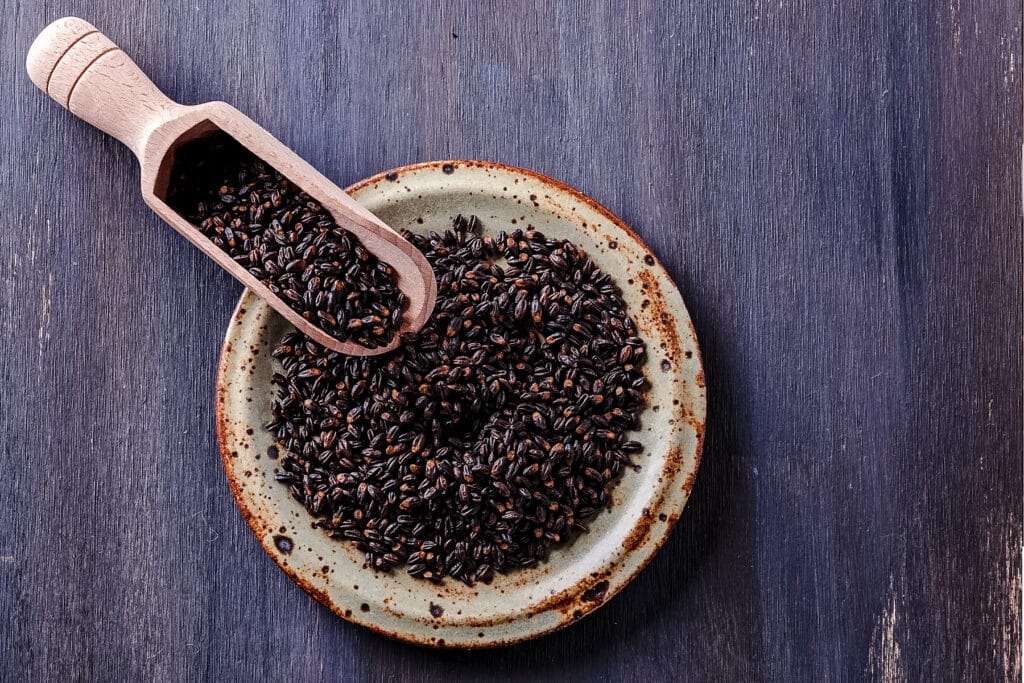
Black Hulless Barley is dark and moody and looks as though it should be a fluff piece in a floral arrangement. Little would people know that these stalks of barley are your secret weapon for the “wow” factor at your next dinner party. Use black hulless barley to make black-colored bread, black pastries, or even black pasta! Then, sit back and enjoy all the oohs and ahhs your friends have to shower you with.
- Black Quinoa
Rich in protein and fiber, black quinoa is the talk of the town for a reason. This nutritional whole grain is a wonderful swap for any recipe that uses rice, so that you can reap all its health benefits. Black quinoa can boost your energy levels and can help prevent anemia. It is packed with protein and is a good source of fiber. Black quinoa may not be available at your local grocery store. However, you can easily purchase black quinoa online. - Forbidden Rice
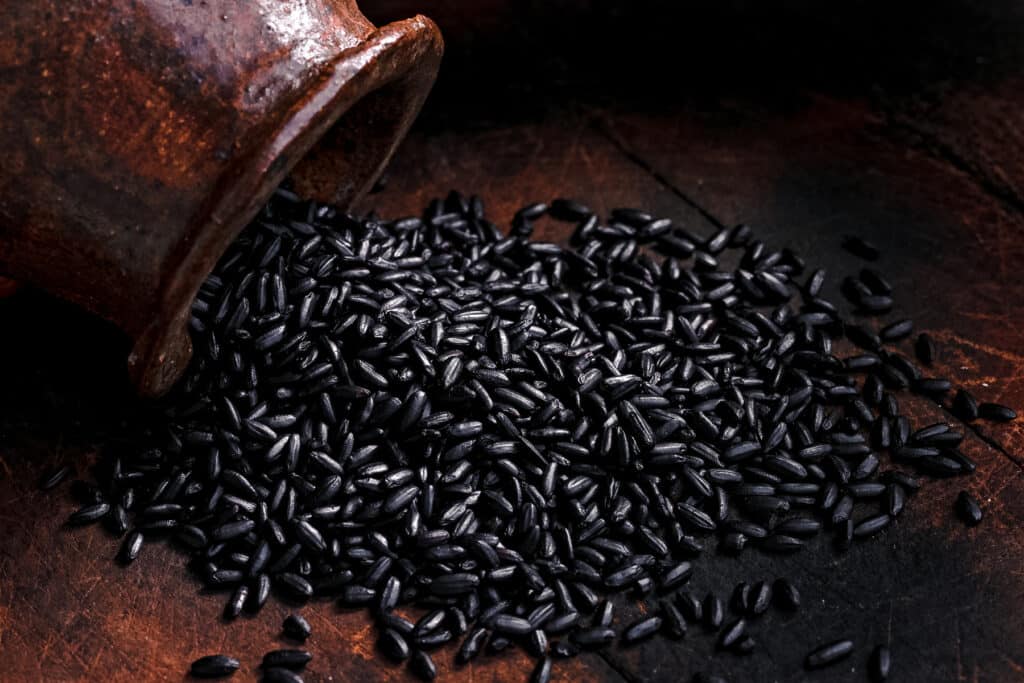
Things are more fun when they’re forbidden — and this black rice is no different. Forbidden rice, or black rice, is packed with anthocyanins and rich in antioxidants. They may boost heart health and help lower blood sugar levels. It is also naturally gluten-free. So move over white rice. There is a new powerhouse rice in town! This is my favorite black rice.
- Japanese Black Sticky Corn
This deep purple-black and neon-green stalk is a sweet treat! Japanese black sticky corn is often used in Japan to make mochi or to eat as is, because it’s that good! Japanese Black Sticky Corn has been popular in many nations since the 1400s, and for good reason. The taste is out of this world and has incredible anti-inflammatory properties. - Montana Black Popcorn Corn
Another black corn, but without such a long history. This superfood has extraordinarily high levels of anthocyanin and is packed with antioxidants. This corn, cultivated in the United States, can be used in cornbread, salads, or even to make tortillas! The options are endless. (We actually grow this popcorn here at our home in the PNW.) - Mountain Morado Corn
It’s corn! These midnight-colored kernels are juicy, sweet, and mouthwatering. Packed with anthocyanin, these deep purple-black stalks put regular yellow corn to shame — plus, it looks more elegant.
Edible Black Fungus
If you don’t like mushrooms, I get it. The hatred for mushrooms is usually based on texture, but these aren’t ordinary mushrooms, so maybe stick around and try one. You never know, maybe you’ll find something new you like.
- Black Fungus (Auricularia polytricha)
This species of fungus is commercially cultivated specifically for China. Black fungus is a unique mushroom with a mild flavor that has just a hint of smoke to it. The texture remains soft yet crunchy and is ready to elevate your dining experience. Black fungus has been used medically for centuries, as it has been shown to help with jaundice and sore throats. It may also help to lower your cholesterol levels. - Black Trumpet Mushroom (Craterellus cornucopioides)
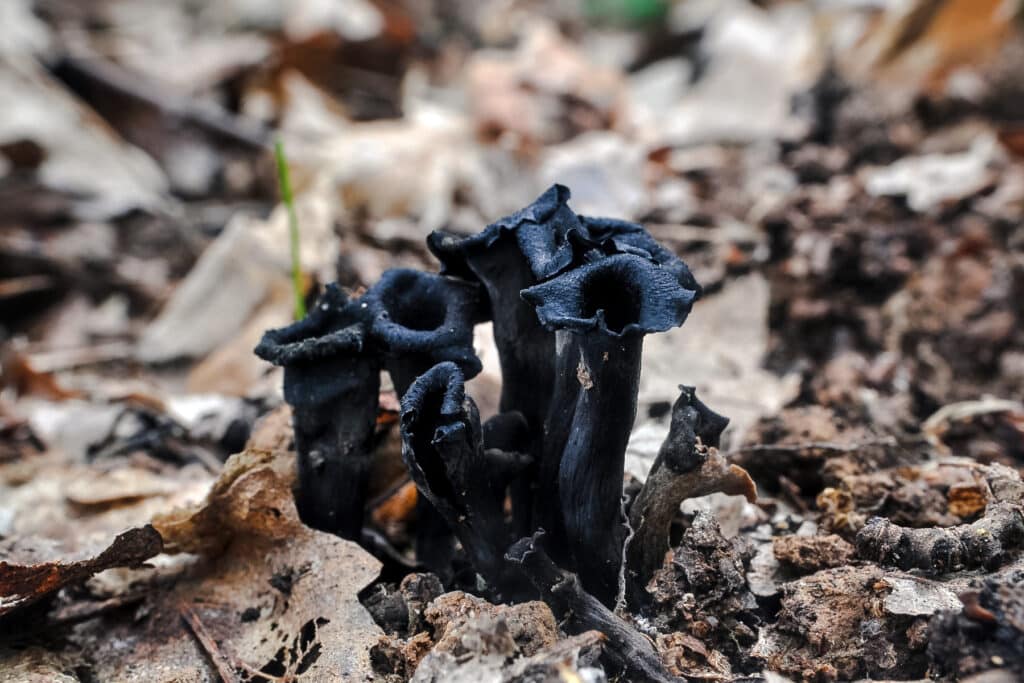
What’s in a name? Well, this mushroom’s name says it all, as it is the perfect shape of a trumpet with dark black skin to it. These black trumpet mushrooms have a slight truffle flavor to them and have plenty of health benefits. Black trumpet mushrooms have been shown to help to lower cholesterol and support bone health.
- Chaga Mushroom
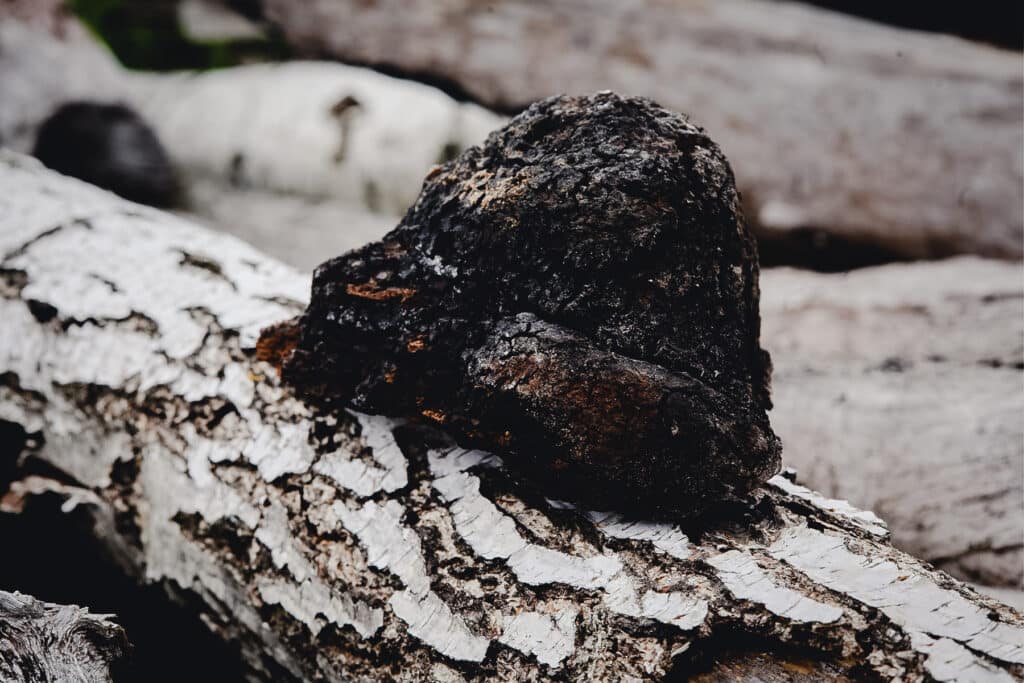
Chaga mushrooms are wood-looking mushrooms that actually grow on trees, so it makes sense that they look like wood. These earthy-flavored mushrooms are unique in flavor and don’t taste like anything that you would pick up from the store. Chaga mushrooms are also unique in the number of nutrients they contain. From zinc, iron, calcium, B vitamins, copper, amino acids, magnesium, and fiber. These mushrooms are packed with micronutrients, ready to aid your body.
Black Nuts & Seeds
We already know that nuts and seeds are healthy for us. Did you know that black nuts and seeds have even more health benefits than regular ones? These four super seeds are packed with nutrients and easy to find at your local grocery store — and they’re scrumptious.
Interested in reading about blue foods? Check out this blog post, 80 naturally blue foods!
- Black Sesame Seeds
Black sesame seeds are nutrient-rich and have been used for thousands of years. This Asia-founded seed has more nutrients in two tablespoons than other seeds like it. Two tablespoons of black sesame seeds give you three grams of protein, two grams of fiber, 18% of the daily value of calcium and magnesium, and at least 15% of the daily dose of iron. - Chia Seeds
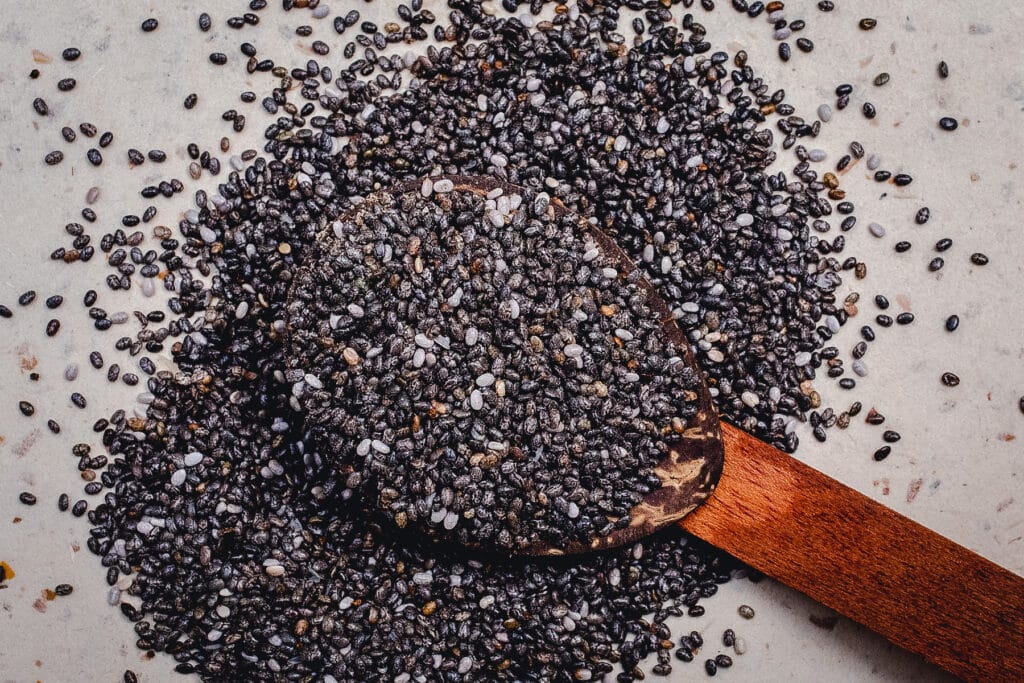
Chia seeds have been the talk of the town for a very long time, and there is an exceptional reason for it. These super seeds are rich in minerals, antioxidants, fiber, and Omega-3 fatty acids. The claims about these seeds are accurate. Chia seeds have been shown to help improve your blood sugar, support heart health, and protect your liver.
If you’re on social media at all, you may have seen the chia seed water cleanse or even a recipe for chia seed pudding. So, the next chia seed pudding recipe you see — go ahead and try it out. Also, this chia oatmeal recipe and overnight oats with chia seeds are great when you need a quick breakfast or snack. Finally, if you are getting into vegan baking, knowing how to make a chia seed egg can be helpful!
- Poppy Seeds
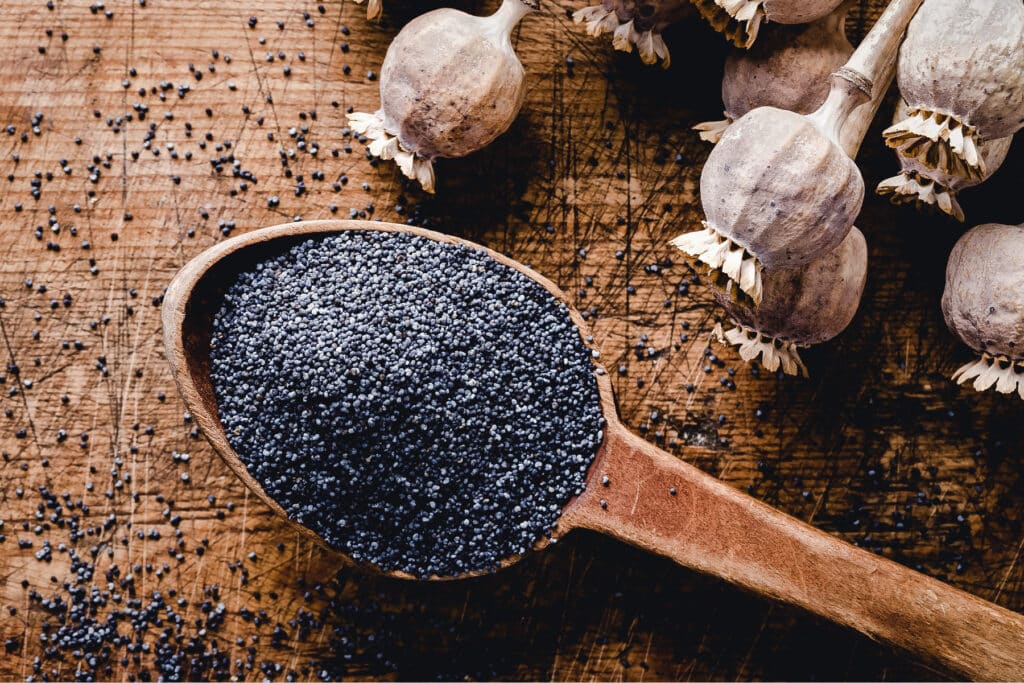
Mmmm, lemon poppy seed muffins or poppyseed bagels — no matter if you’re team sweet or savory, poppy seeds are phenomenal either way. Poppy seeds are obtained from the bright orange poppy flower. Poppy seeds are rich in manganese and are a good source of copper and calcium.
- Sunflower Seeds
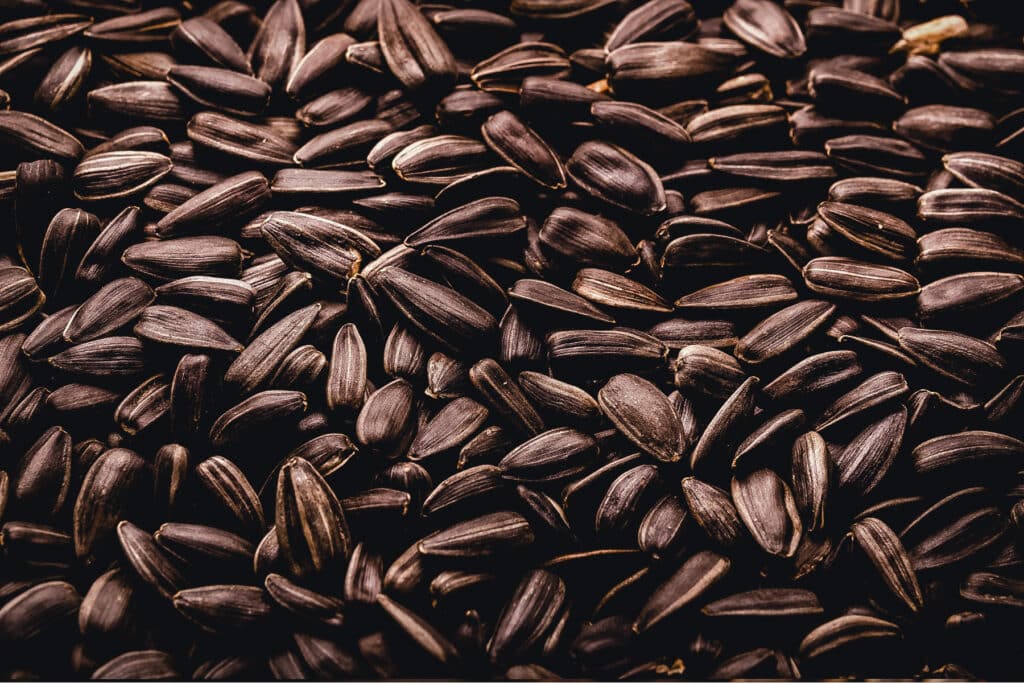
Sunflower seeds have been a popular snack for a long time, and for good reason. These seeds are packed with vitamins such as riboflavin, niacin, folate, vitamin C, vitamin E, vitamin B6, and thiamine. So keep snacking away because these sunflower seeds are not only a tasty food but also incredible for your health.
Edible Black Flowers
Yes, flowers can be edible, and we have a list of breathtaking black flowers that are perfect to add to your next dessert or salad.
- Arikara Sunflower
These gorgeous, bright yellow sunflowers have the most luscious, deep brown centers in the middle of them. The center of the sunflower contains dozens of seeds that are not only edible but delicious. Roast the seeds, throw some salt on top, and have the best snack of the day. - Black Boy Bachelor’s Button
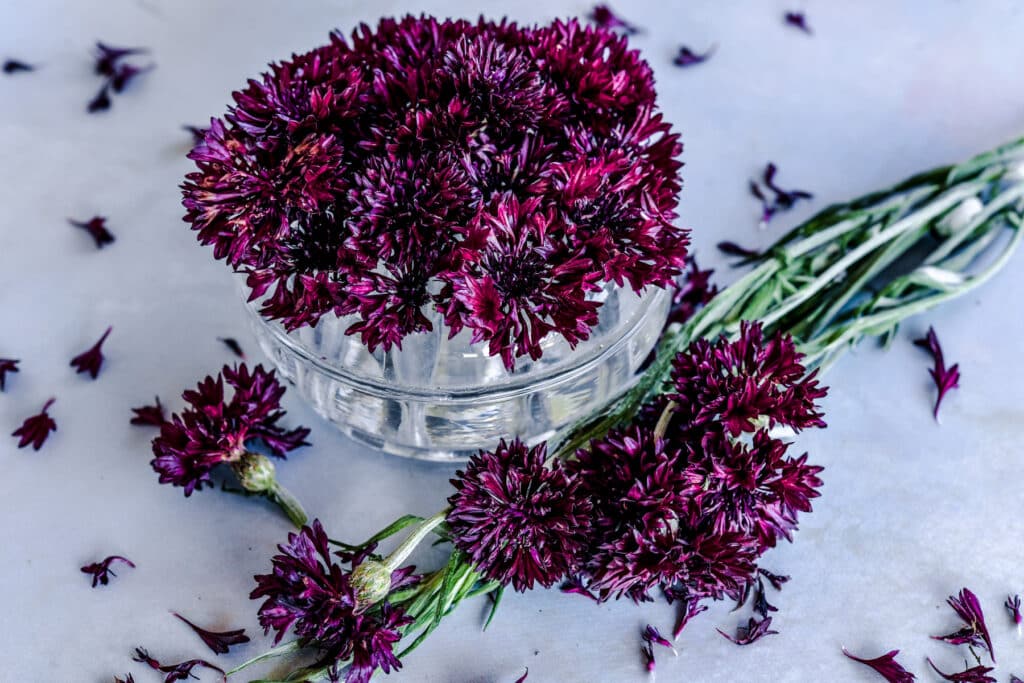
These rich purple flowers with a dark black center are so stunning, you’ll be surprised that you can actually eat them. Black boy bachelor’s button flowers look as if they should be surrounding a cottage in an old fairytale, and they can be. But they can also be used as a garnish, used in tea, or even used to decorate a cake.
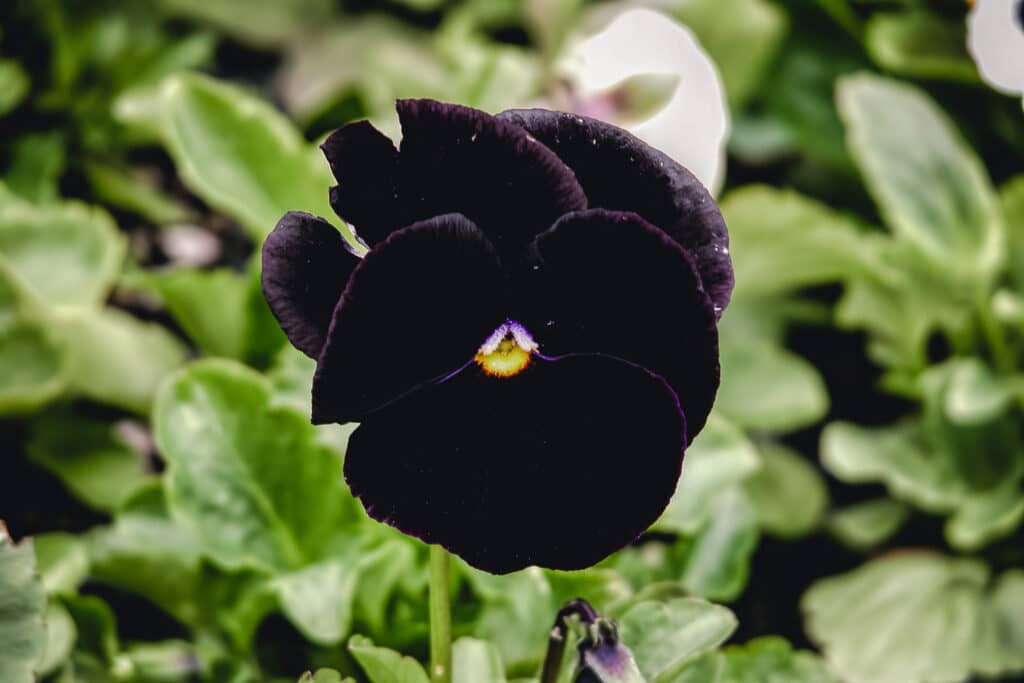
- Black Devil Pansy
The black devil pansy is a menacing-looking flower that looks as if it would be something written by Edgar Allan Poe. This deep black flower is a sight to behold and is also perfectly edible. Use this flower as décor on a pastry or soak it in your tea for added fun.
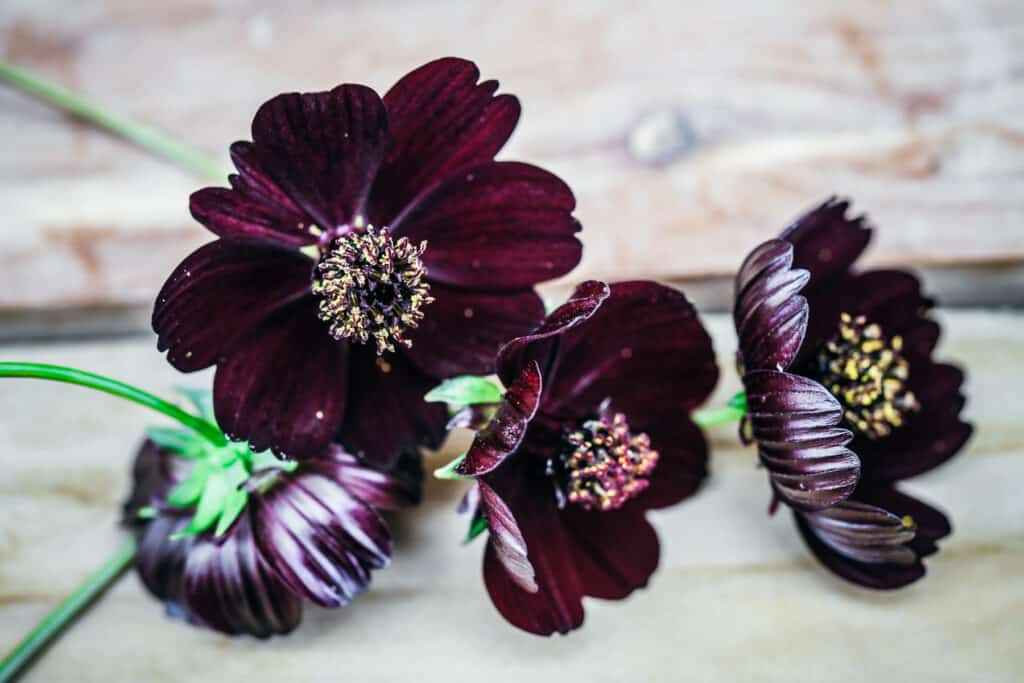
- Black Magic Chocolate Cosmos
These breathtaking burgundy flowers have a deep black center in the middle, and if you give them a sniff, they somewhat resemble chocolate. Black magic chocolate cosmos are Mexican flowers that are absolutely stunning to look at. They are perfect to use as decoration for a cake. Don’t be fooled, though. While they smell like chocolate, they don’t actually taste like chocolate.
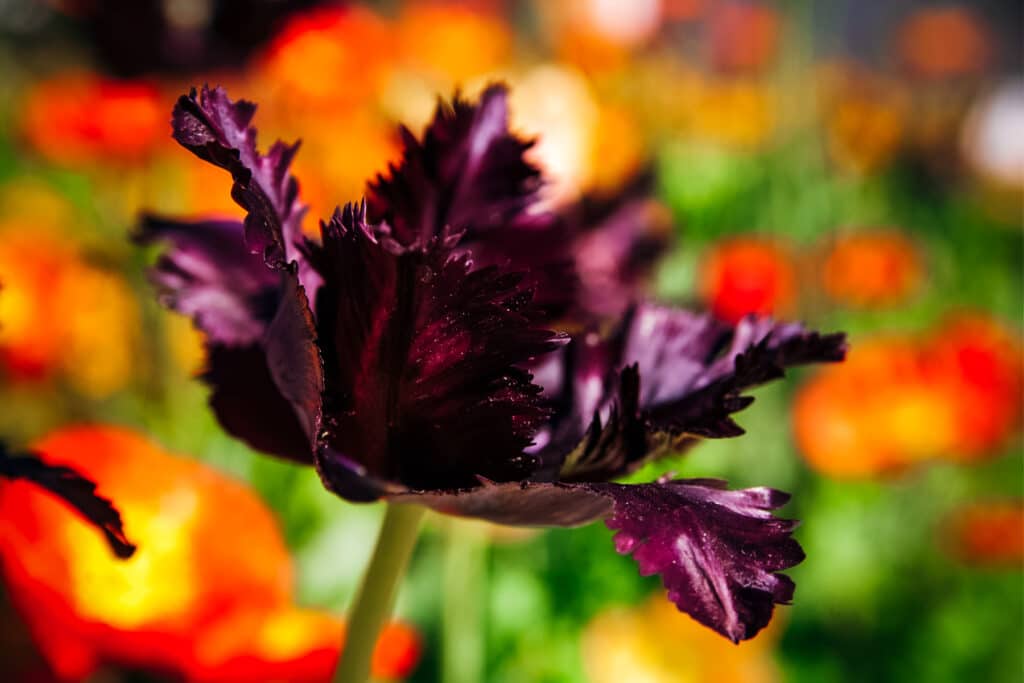
- Black Parrot Tulip
If there were ever a flower to look like a bouquet of feathers, this would be it. Which is exactly where this tulip gets its name from. They are a rich purple to deep Onyx black. A black parrot tulip is the perfect cake topper to steal everyone’s gaze.
- Bowles Black Viola
These violet and galaxy-colored flowers resemble morning glory while having a life all their own. These stunning flowers are perfect to add to the topping of any pastry or cake to add depth and beauty to any special occasion. - Chocolate Cherry Sunflower
If only these sunflower seeds tasted like chocolate and cherry, we may never need to have dessert ever again. Instead, these flowers only resemble the colors of rich brown chocolate and deep red cherry in their petals. While the petals may not be delicious, it’s the seeds of this obsidian-colored flower that you want to keep around to munch on.

- Hopi Black Dye Sunflower
Looking into the center of this sunflower is like looking through a maze, trying to find which seed is which, or looking into the galaxy where there are no stars, just little flickers. The deep black seeds of this sunflower are mesmerizing, delicious, and full of vitamins and rich in protein. - Jet Black Hollyhock
The name of this flower says it all: a jet-black and deep purple flower that is quite a sight to behold. This historical flower from the 1600s has stood the test of time and should be celebrated. So press these flowers into some cookies or toss them in a salad to be enjoyed and adored.
Prepared Foods
We’ve talked a lot about different black vegetables, fruits, grains, mushrooms, and flowers. However, some prepared foods should get some attention as well. The following prepared foods are a mixture of sweet, tangy, and savory. So, no matter what mood you’re in, one of these is sure to make your mouth water.
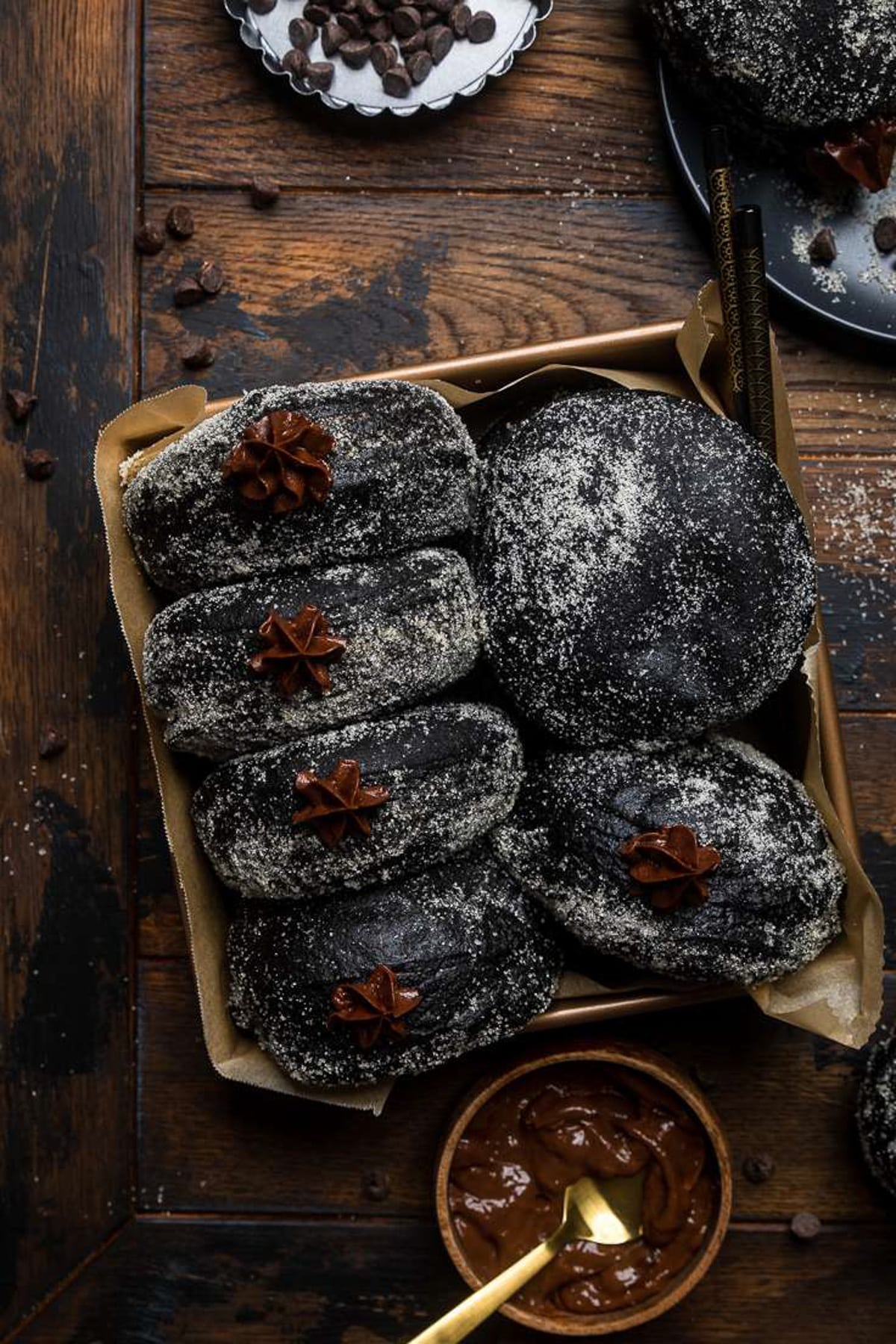
- Black Chocolate Vegan Brioche Donuts
Talk about delicious and decadent. These vegan black chocolate brioche donuts are divine! Black cocoa powder is used to give these vegan donuts their deep, rich color.
- Black Garlic
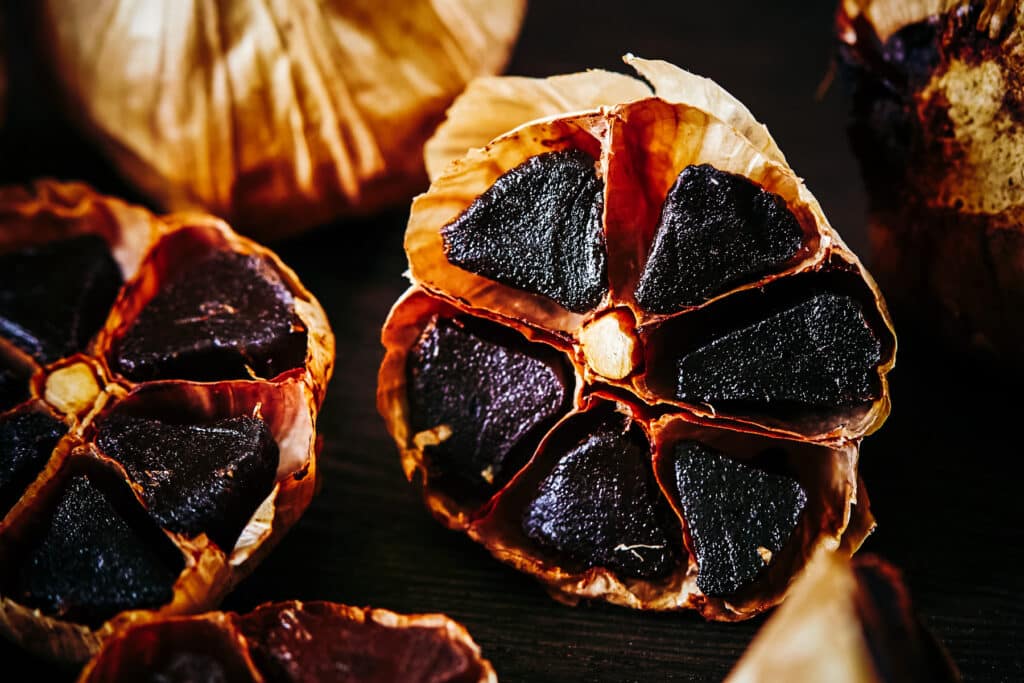
Black garlic is regular garlic aged under just the right conditions. When garlic is left in high humidity but low heat for the right amount of time, it naturally turns this deep brown-black color.
- Black Hummus
Black hummus can be made in several different ways. You could use black garbanzo beans instead of the traditional creamy-colored chickpeas. Alternatively, you could use black sesame tahini instead of traditional tahini, which is a light tan color. Or, instead of making hummus, you could use black beans in place of chickpeas. (This would technically be considered black bean dip, but I’ve heard people call it hummus.) Finally, you could add charcoal powder to traditionally made hummus. - Black Ice Cream
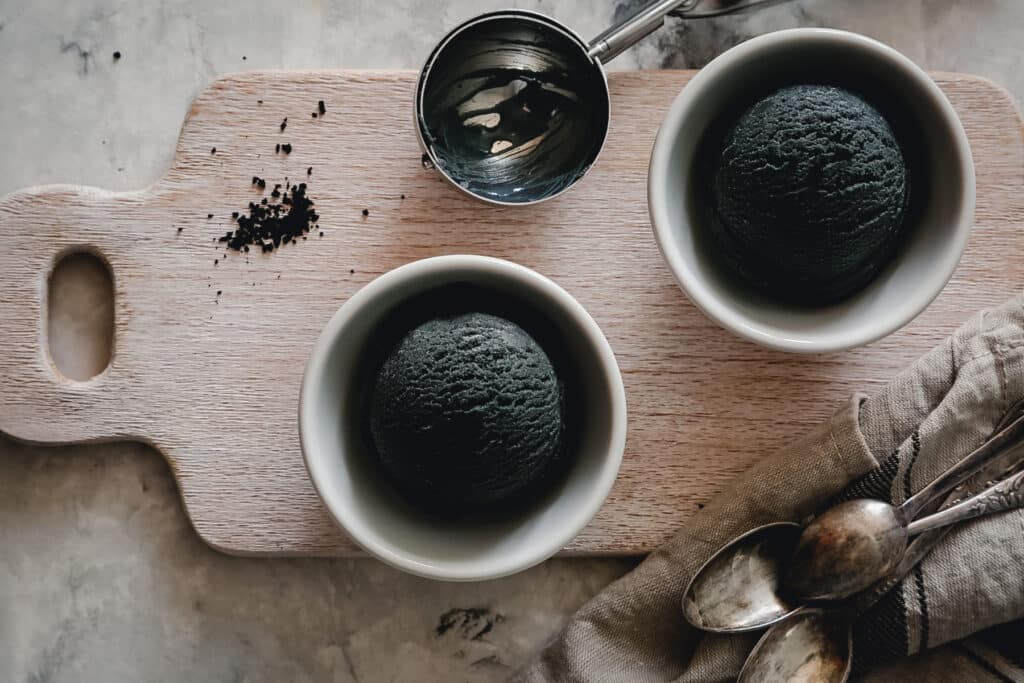
My favorite black ice cream is vegan nice cream made with any of my favorite fruits plus charcoal powder. It does work better with dull-colored fruits as opposed to vibrant ones.
- Black Lemonade
Black lemonade is easy to make. You can make your homemade lemonade as usual and then add in some black charcoal powder and combine thoroughly. - Balsamic Vinegar
Balsamic vinegar and balsamic glaze are beautiful additions to salads, pizza, pasta, bread, and more! - Black Bean Burger
These black bean veggie burgers are simple to make, filling, and nutritious! - Black Bean Soup
Black bean soup is simply delicious. Starting out, black beans are obviously black. However, blended up, the soup does turn a dark brown color. To keep it a deep black color, you would need to add some charcoal powder to it; otherwise, enjoy it as is! - Basic Black Beans
This is the most basic of recipes: how to make black beans in an Instant Pot.
FAQ
There are plenty of fruits and vegetables that are packed with anthocyanins and give them a black appearance. Everything from carrots to rice to tomatoes. Read the list above to find out more!
The most commonly eaten black foods would be black beans, eggplant, blackberries, huckleberries, black rice, black olives, and black-eyed peas. There are a lot more, so scroll through the list and see if any others stand out to you.
Sunflower seeds, black soybeans, blackberries, huckleberries, black olives, and black raspberries are all delightful snacks that have a black hue.
Yes! The black nebula carrot is stunning to behold, as well as the Pusa Asita black carrot.
Final Words
There is a large world of fruits, vegetables, grains, legumes, and edible flowers out there. Each one of them is packed with nutrients that benefit your health in everyday life.
Some of these items may not be common in your day-to-day grocery stores. However, try checking out your local Indian or Asian market to find some of these spectacular superfoods. Food is an adventure, and it’s just waiting for someone to start the journey.

What a great article. I had never thought much about all the different types of black foods before!
Glad you enjoyed it!