


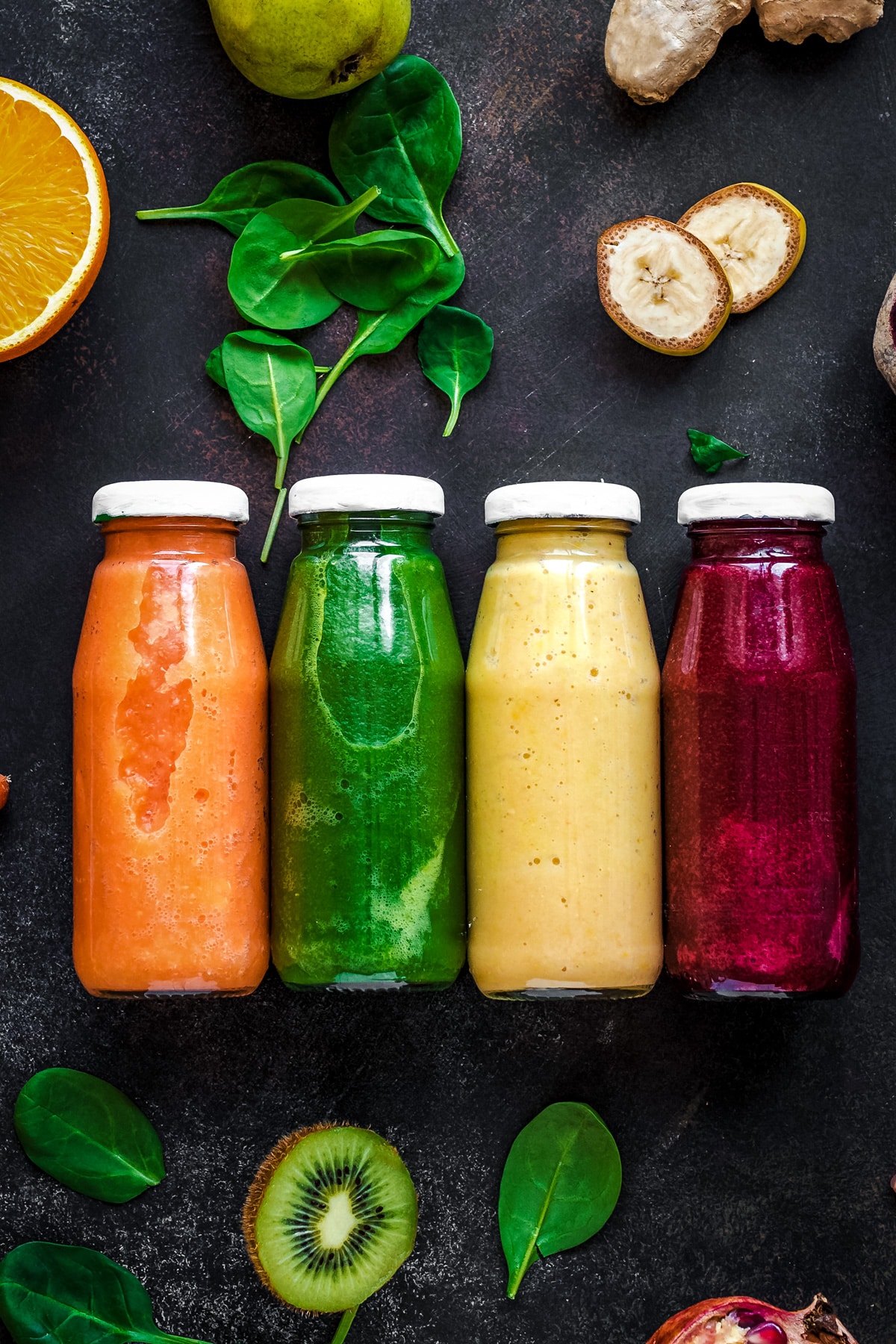
Veggie smoothies are a great way to add the most important nutrients to your day from the very start. It’s also a sneaky way to get those veggies in because the sweet flavor of the fruits you use will be the perfect disguise. These 30 best vegetables will help you make the most delicious smoothies of all!
This post may contain affiliate links. Please see our disclaimer for details.

Table of Contents
Are veggie Smoothies Healthy?
Absolutely! Vegetable smoothies are a healthy choice for working in those raw veggies you might otherwise skip. Blending them into a smoothie helps you start your day with a powerhouse of nutrition and ensures you get those daily nutrition requirements, all in a delicious way.
The List: 30 Best Vegetables For Smoothies
Here’s a list of the best vegetables to add to your next healthy smoothie recipe.
Best Leafy Greens
Green leafy vegetables are a great addition to any smoothie! Here are the best greens to add to your next smoothie!
- Baby Spinach: This is one of the most popular vegetable smoothie choices. It is low in calories, yet high in fiber, which serves to help sustain you. Additionally, it has vitamins A, C, and K, plus folate, calcium, and lutein, the latter of which protects your eyes and keeps them healthy. With other antioxidants and plant compounds, you’re going to start your day off on the right foot. Plus, baby spinach has a mild flavor so it’s easy to disguise in your smoothies. It’s actually one of my favorite veggies to add to a good smoothie recipe. This is my favorite Pineapple Green Smoothie Recipe!
- Beet Greens: Like beets themselves, beet greens are nitrient-packed. They contain plenty of vitamins, minerals, and fiber, plus they give you lutein, beta-carotene, and zeaxanthin, flavonoids that have potent antioxidant powers.
- Collard Greens: These are a fantastic southern side dish, but they are also a wise choice for your vegetable smoothies. They can be a little bitter on their own which is why most people cook them, but having a single serving of them in your smoothies will give you vitamins A and C plus iron, potassium, and zinc. They also have protein so if you’re not a huge fan of those protein powders, this is the natural way to get it. By adding collard greens along with your favorite fruits to your smoothies, you’re in for a wonderful dose of nutrients in the most delicious of ways!
- Dandelion Greens: I love dandelion greens because they are so versatile. Case in point – they can be eaten cooked or raw. As they are an excellent source of vitamins A, C, and K plus give you vitamin E, small amounts of other B vitamins, folate, and a substantial amount of calcium, potassium, iron, and magnesium, they’ll be your new BFF in smoothie nutrition.
- Kale: An incredibly nutritious and a great way to add green to your smoothies. However, kale makes its presence known, unlike baby spinach. It’s bitter and peppery, so you’ll want to pair it with fruits that keep those flavors from stealing the spotlight. Mango and pineapple are great options for that. Also, make sure you get rid of those thick stalks first as they don’t blend well (or taste any good).
- Parsley: I’ll never know why parsley ever got assigned the menial task of garnish on plates, I’ll never know. It’s such a nutritious herb, giving you plenty of flavonoids and vitamins A, K, and C. It’s a good for calcium, iron, and magnesium too. You can sneak it in with bananas, pineapple, mango, pear, or melon with ease!
- Radish Greens: When you buy fresh radishes, don’t toss out those green tops! These are rich with vitamins C and K plus magnesium, making them a good option to try in your next smoothie. Just remove the hard stems to make them blend more seamlessly into the mix! (Or if you have a high-speed blender like a Vitamix, feel free to include the stems.)
- Swiss Chard: You might be making a face about Swiss chard, simply because it tends to be bitter. But when it’s eaten raw, it’s much less bitter. Swiss chard is a great leafy green that has a bounty of vitamins A, C, E, and K plus some awesome minerals like magnesium, calcium, zinc, and copper. Like those radish greens though, you should remove the stems before you blend.
- Turnip Greens: With a radish-like taste, turnip greens add a bit of zip to smoothies. They’re nutritious with well above what you need for your daily value of vitamin K plus a super-high calcium content that rivals other fruits and vegetables. You’ll also get a dose of vitamin A, magnesium, and phosphorous so mix these in.
Flavorful Root Veggies
Root vegetables can really pack a punch when it comes to strong flavor and health benefits! They make a wonderful addition to veggie-packed smoothies.
- Beets: They are well-known for their ability to lower blood pressure. They also have vitamin C, iron, folate, and enough fiber to make you feel satisfied. Since they have such a pretty color, you’ll most certainly want to drink a vegetable smoothie with beets. As they are earthy in flavor though, you will likely want to balance them with something sweet, like strawberries and bananas to truly enjoy this concoction.
- Carrots: You probably know how good carrots are for your eyes with all that beta-carotene and vitamin A, but they’re also beneficial for healthy blood pressure too. With plenty of fiber to make them a filling addition to your smoothies, you’ll be surprised how easily they blend in with fruits. Many people love adding carrots to smoothies simply because you can’t even taste them in there. That’s not a bad tactic to get your kids to eat veggies either, now is it?
- Ginger: Fresh ginger has long been beloved for its anti-inflammatory benefits as well as quelling nausea and tummy troubles. It adds another dimension of flavor too, making for a nice balance with other vegetables and fruits. You won’t need a whole lot of ginger to blend into your smoothie. Peel the outside of it first for the best results. Try adding ginger to this Date Smoothie Recipe!
- Sweet Potatoes: Nutritious sweet potatoes may just become your new favorite vegetable smoothie addition! With high levels of vitamins A and C plus iron, potassium, and fiber, you don’t even need to cook them before blending. You may want to peel them though! You can grate them in to make it easier for them to incorporate into your smoothies. Freezing frozen chunks of raw or cooked sweet potatoes is another awesome idea because they help keep it all cold with a thick and rich texture.
- Turmeric: Like ginger, turmeric is anti-inflammatory too. With a glowing golden color, this superfood is super-simple to put into smoothies. It’s best if you have it raw and ready to blend, though if you only have the powdered stuff, that will work in a pinch too. A little goes a long way, and the earthy flavors can be tamed by the addition of your favorite fruits.
- Turnips: Turnips are an amazing source of vitamins with a roster that reads like a novel. You’ve got vitamins B2, B3, B9, C, E, and K plus potassium, zinc, magnesium and phosphorous. Turnips taste a bit like cabbage but a little sweeter than that. You can easily blend them in with other fruits and veggies without noticing.
Would you like to save this?
Delicious Squash
Squashes aren’t technically vegetables. They are actually fruit! That being said, most people think of them as vegetables. They make a great addition to veggie smoothie recipes!
- Acorn Squash: With it’s sweet, creamy, and nutty flavors, acorn squash is a dream come true in veggie smoothies. Full of antioxidants, you’ll first need to cook this squash before blending. If you prep it ahead, it’s smooth sailing, and with a little pumpkin spice seasoning, it’s magical.
- Butternut Squash: Another squash to love in your smoothies is butternut squash. It’s that excellent source of vitamins A, C, and E that you need plus the minerals of iron, calcium, potassium, and folate. It’s utterly delicious too, rendering a creamy texture. Like acorn squash, you must cook it first. You’ll love it even more if you freeze it in cubes and then make it into your smoothies. With chai seasoning, you will wonder how you ever started your day without this.
- Delicata Squash: Yes, you’ll also need to roast your delicata squash before it joins your other ingredients in the blender. But with this one, you’ll have a high dose of fiber to really fill you up plus plenty of potassium. I’m a big fan of squashes of all kinds, though delicata squash is one of those that really will make you want to drink a smoothie every single morning as long as you put this in it.
- Sugar Pumpkin: No, not the pumpkins you carve up for Halloween! Sugar pumpkins are sweet with a firm, dense, and smooth flesh. They’re the kind you’d want to use for pies, but when used in smoothies, it’s like you can drink your pumpkin pie and get all the nutritional benefits. The orange color is a dead-giveaway of beta-carotene which our bodies convert into vitamin A. They are also rich in copper and vitamins E and K. Sugar pumpkins also contain a good amount of iron, magnesium, riboflavin, potassium, and vitamins B6 and C. Talk about nutrient-packed!
- Zucchini: With its mild taste, you’ll hardly notice zucchini in your smoothies at all. I recommend freezing it first, and then it will give your smoothies a creamy yet slushy texture. Zucchini is full of vitamin B6, a vitamin that helps take care of your blood glucose levels. You could add zucchini to this flavor-packed Acai Smoothie Bowl.
- Yellow Summer Squash: With plenty of fiber, yellow summer squash is the ingredient you’ll want in your smoothies if you’re not a veggie fan. You won’t taste it at all, plus it makes the texture thicker. I recommend lightly steaming the squash first, then freeze it. Then it will be ready to use in your smoothies.
More Tasty Veggies
And yes, I have more tasty veggie options for you to throw into your smoothies. Check these out! (Some again are not technically vegetables but are usually thought of as veggies.)
- Avocado: With tons of protein and that good-for-you monounsaturated fat, avocados are a winner in smoothies. Their mild taste goes with pretty much everything, and that creamy texture will trick you into thinking you’re eating something much more indulgent. Plus, as an excellent source of fiber, it will leave you fulfilled. Next time you have a ripe avocado to use up, try this Banana Avocado Smoothie.
- Bell Pepper: Since bell peppers are a little sweet, you’ll love this vegetable in your smoothies. They are rich in antioxidants, folate, potassium, and vitamins C, B6, K1, E, and A.
- Broccoli: Yes, raw broccoli can go in your smoothie too and give you a great source of fiber. You’ll also get high doses of vitamin C and even protein along with it. This plant has everything you need for a healthy smoothie to start your day.
- Cauliflower: Steam your cauliflower and you’ll have a creamy and nutritious ingredient that gives you vitamin C, fiber, and potassium. While I love bananas, cauliflower is an ingredient that makes your smoothie thicker and richer while adding less sugar overall for an even more nutritious smoothie. Try adding cauliflower to this Healthy Peach Smoothie.
- Celery: Celery is rich in inflammation-fighting antioxidants, it is a rockstar in any smoothie. The high water content adds hydration, plus it’s low in sugar. Even though celery tends to be a bitter veggie, when combined in a smoothie with fruits, it tastes amazing. If you didn’t put it in there yourself, you’d be shocked because your smoothie will not taste like celery.
- Cucumber: Another hydrating option for your vegetable smoothies with fiber, minerals, and vitamins. It’s light and refreshing too, much like melons. In fact, they’re actually fruits that are related to melons so combining those together for a cucumber smoothie will be an amazing union!
- Green Cabbage: Don’t worry…you won’t taste cabbage in your smoothies. But when you add green cabbage to them, you’re getting vitamins C and K. Cabbage supports gut health and is an all-around nutritious veggie to eat. If you’re not a fan of it, put it in your smoothies and you’ll get those nutritious benefits without having to taste it.
- Peas: With their subtle sweetness, peas are perfection for your best green smoothie recipe. They also bring a creamy texture to the table plus lots of fiber, vitamin C, and protein. Use them frozen to make your smoothies thick and creamy.
- Purple Cabbage: Red cabbage is similar to green cabbage, and is super-rich with vitamin C. And like green cabbage, you won’t taste it at all, but you will notice the gorgeous color it gives your smoothies.
Want Added Protein?
This is all about the best veggies to add to your next smoothie. However, there are other ingredients that aren’t fruit that you could consider adding to your smoothies if you’re looking for more protein.
- Seeds: Hemp seeds, chia seeds, and ground flax seeds are delicious ingredients to add to any healthy breakfast, including smoothies! They also provide a plant-based source of omega-3 fatty acids.
- Nut Butters: My favorite nut butters to add to smoothies are peanut butter, almond butter, or cashew butter.
- Protein Powder: This is a great option for packing in plant-based protein. My favorite protein powder is Truvani Vegan Protein Powder. I haven’t tried every flavor but their chocolate protein and vanilla protein powders are delicious!
FAQ
Yes, it’s a very good thing to add vegetables into your smoothies. This is because you’re adding much more fiber, minerals, vitamins, antioxidants, and nutrition in general. Vegetable smoothies are a smart move for anyone that struggles to eat enough veggies each day. Paired with fresh or frozen fruits, they add more substance while keeping the flavors enjoyable.
Green smoothies are such a treat for the body. You can drink one each day, but I recommend making them a bit differently each time to get a broader spectrum of nutrients. I also advise that you don’t just drink vegetable smoothies for every meal. Your body needs a variety of sources of nutritious foods.
While starting the day with vegetable smoothies ensures you get a head start on your proper nutrient intake, don’t make all your meals in the blender.
That said, you will improve digestion and immunity, detoxify your body, protect from chronic diseases, help your bones stay strong, and have healthier hair and skin. These green smoothies can also help with weight loss as they will keep you feeling satiated and give you proper nutrition all at once.
Absolutely, and I highly recommend it, especially if you like your smoothies cold. Some will need to be cooked then frozen first, but by adding frozen veggies to your smoothie, it makes the texture even creamier and more luscious too.
Final Words
Go beyond the leafy greens like spinach and kale and try these 30 best vegetables for smoothies. By changing things up more often, you take in more nutrition. These are especially wonderful if you’re finding it hard to eat enough vegetables each day, or if there are ones you should be eating but don’t really like. Blending with fruit helps mask some of the flavors while giving you all the benefits you need for a healthy lifestyle.





I love this article. It’s so vibrant! Great ideas for the best veggies for my next smoothie too!
Awesome! Let me know what veggie you add to your next smoothie!