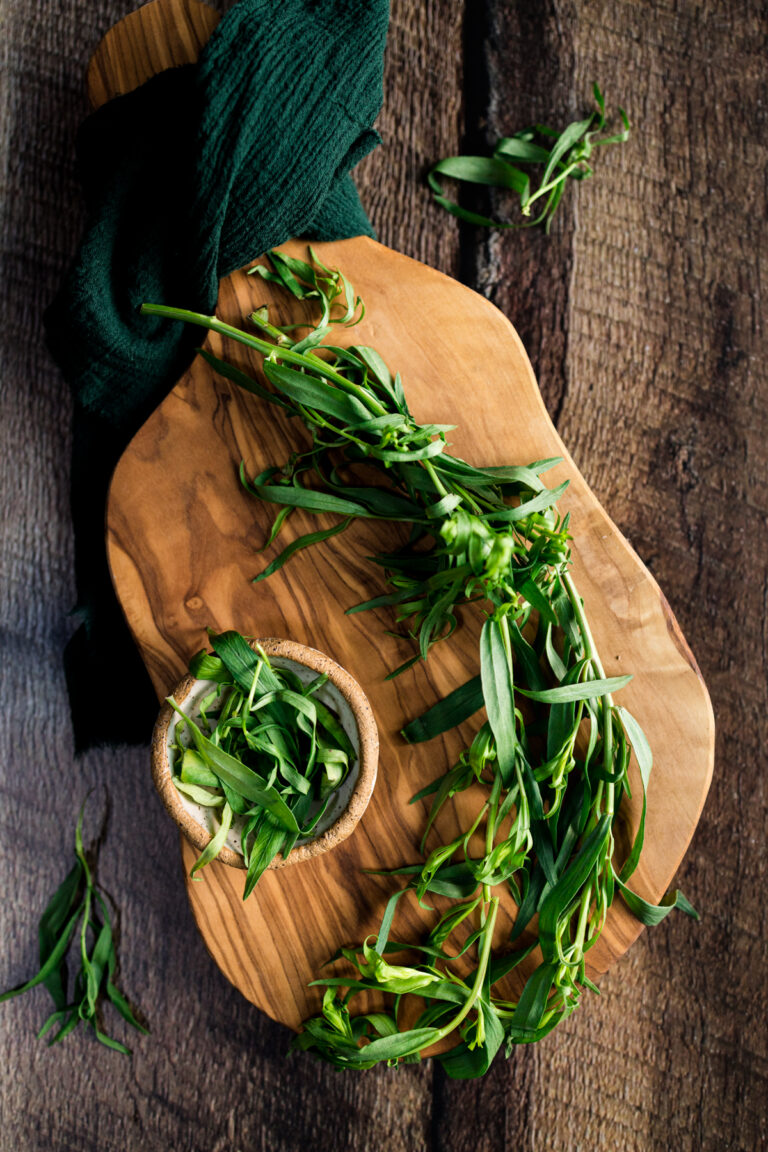
Whether you are out of cilantro or you simply can’t stand the stuff, knowing the best substitutes for cilantro when a recipe requires it can be your saving grace. Every herb and spice has its own unique look, texture, and taste. While some may be similar, it can impact the outcome of your dish. For these reasons, you may want to try to use cilantro when called for in recipes, but when you can’t, this post is all about helping you find a suitable cilantro substitute.
This post may contain affiliate links. Please see our disclaimer for details.

Table of Contents
About Cilantro
Cilantro has been used for thousands of years, starting out in southern Europe and Asia. Despite this widespread usage, it has a love-hate effect on taste buds. Some people think it tastes like soap and can’t stand it when it is added to their meals. Others readily embrace this herb and sprinkle it liberally on just about everything.
If you’re among those who detest this herb, then this post is absolutely for you!
What’s the difference between coriander and cilantro?
Cilantro and coriander both come from the same plant, which creates a bit of confusion, especially since it depends on where you live. In the U.S., the leafy parts and stems are called cilantro, though abroad, it is referred to as coriander.
Cilantro Nutrition
Cilantro or coriander (Coriandrum sativum) is not just flavorful; it’s also nutritious. Cilantro contains vitamins A, C, and K, as well as trace amounts of several other nutrients.
The hydroalcoholic extract of Coriandrum sativum at the right dosage (100 and 200 mg/kg) has been shown to have an anti-anxiety impact almost similar to diazepam.
Would you like to save this?

The List: 25 Best Cilantro Substitutes
Replacing cilantro in your recipes will depend on the type of recipe and the flavors you’re trying to portray. Here are 25 of the best substitutes for cilantro and when you may want to reach for one of them instead.
- Coriander Seeds: These seeds are complex in flavor and when left whole, can add a nice crunch. You’ll find them used in Indian, Middle Eastern, and even Asian dishes.
- Ground Coriander: Grinding coriander seeds gives them a lovely nutty, earthy taste that works best in things like Indian curries, hearty stews, or even marinades for your favorite backyard BBQ foods.
- Rau Ram: This Vietnamese coriander is an excellent choice if you’re making something like pho or rice paper spring rolls. And the best news is that it doesn’t have the same soap-like taste that is off-putting for some cilantro haters.
- Papalo: If you’re making Mexican, Peruvian, or any South American cuisine, papalo can be an ideal stand-in for cilantro. It has a much stronger flavor though, so it’s best to add just a little to garnish at the end.
- Fresh Italian Parsley: This type of fresh parsley is aromatic and clean. It’s slightly peppery and citrusy, making it a nice replacement for cilantro in savory recipes for everything from salad dressings to main dishes.
- Dried Parsley: Dried parsley can help you in a pinch when you’re making anything of Mediterranean origin. You’ll want to use about one third the amount of it to replace fresh cilantro in your recipe. (Here is a helpful guide if you are looking for parsley substitutes.)
- Celery Greens: Celery greens have a strong flavor of celery, and if you don’t mind that taste, it can be ideal in a variety of dishes. Chinese and Thai recipes that call for cilantro will work best with this replacement.
- Fresh Mint: If you are trying out a new Middle Eastern recipe that requires cilantro, fresh mint may be the ideal option.
- Dried Mint: Similarly, dried mint can be used as a replacement when you’re making any dish for Indian or Middle Eastern recipes.
- Fresh Thai Basil: Thai basil is incredibly distinctive on its own, giving you a herbaceous and savory flavor. You may find this swap beneficial when you’re trying out a Thai or Vietnamese dish.
- Fresh Lemon Basil: If you’re trying to make a mocktail, vinaigrette, or summer vegetables, the pleasing flavors of fresh lemon basil are a nice change from cilantro. It’s also a great swap for Thai curries or noodle-based dishes.
- Fresh Sweet Basil: Sweet basil is heavily used in Mediterranean and Italian cuisine, which may make this your best option for replacing cilantro in tonight’s dinner.
- Dried Basil: When cilantro is called for in the cooking of your recipe, you can swap it with dried basil. It will retain its flavors better during the cooking process. (Here is a helpful guide if you are looking for basil substitutes.)
- Fresh Dill Weed: Dill weed is popular in the Mediterranean and Southeastern Asia. The warm, grassy flavor with hints of lemon are a nice way to skip the cilantro without skipping out on taste.
- Dried Dill: Dried dill will have a similar effect, but again, since it is dried, it will work out best in your recipes if you add it during the cooking process. (Here is a helpful guide if you are looking for dill alternatives.)
- Fresh Fennel Greens: Since fresh fennel greens can be used in everything from salsa to curry, it is a nice way to swap out cilantro. You’ll have more of a licorice/anise flavoring from this herb.
- Fennel Seeds: Fennel seeds have a flavor similar to aniseed, making them a nice option in all sorts of culinary applications for Indian, Italian, Asian, Middle Eastern, and even French cuisines.
- Fresh Greek Oregano: Bold, spicy, and pungent, fresh Greek oregano is a great choice in any recipe where the cilantro was meant to be the shining star. If you like the flavors of oregano, this will be your best match.
- Dried Oregano: Likewise, the dried version will add these flavors too, though it will be best when cooked into your dish.
- Mexican Oregano: Pungent and citrusy, fresh Mexican oregano is ideal for your Mexican dishes where cilantro is required. Swap it out, and you will still get the great flavors you need to amplify your meal.
- Dried Mexican Oregano: Use dried Mexican oregano when you are cooking a Mexican meal that calls for cilantro to be cooked into the dish.
- Caraway Seeds: Warm and earthy caraway seeds can replace cilantro in European and North African dishes. These are best when added during the cooking process.
- Cumin Seeds: Cumin seeds are used in so many types of cuisine, from Sichuan cuisine to Indian, and pretty much everything in between. It’s from the parsley family and will give you a warm, earthy, and slightly sweet balance with a bitter taste.
- Ground Cumin: Ground cumin is great in Mexican and Indian dishes, though use it sparingly. While it is delicious, ground cumin can quickly overpower all the other flavors in your dish.
- Curry Powder: Use curry powder with caution, as different blends can really change the taste of your dish. Most include turmeric, cumin, and coriander, and a little can easily replace cilantro.

FAQ
Fresh flat-leaf parsley is the most similar when it comes to looks. Fresh rau rum or ground coriander is the best substitute when it comes to taste, and it is most similar to cilantro.
No herb is exactly like another. However, fresh rau rum or ground coriander have the most similar taste.
If you’re making cilantro rice without the cilantro, you may want to use ground coriander (just a touch!) or Mexican oregano to give it similar flavors.
If you are using it as a garnish, celery leaves or Italian parsley looks the most similar to cilantro. If you are substituting for taste, then I wouldn’t recommend celery.


If you tried one of these Cilantro Substitutes, let me know how it went in the 📝 comments below. Thanks for visiting!
Final Words
In truth, nothing can fully replace an herb or spice because they all have their own unique flavors. However, when you are out of cilantro and can’t run to the store, or you’re part of the 11% of people who can’t stand it, these substitutions for this herb will surely help in a pinch!
Reference
Mahendra, P., & Bisht, S. (2011). Anti-anxiety activity of Coriandrum sativum assessed using different experimental anxiety models. Indian journal of pharmacology, 43(5), 574–577. https://doi.org/10.4103/0253-7613.84975